Starting a new business comes with numerous challenges, and transportation is often a crucial aspect to consider. For many entrepreneurs, a new business van lease offers a practical solution to meet their mobility needs without the burden of full ownership. This option provides flexibility and financial advantages, especially for self-employed individuals and sole traders looking to manage their expenses effectively.
Van leasing for new businesses encompasses various options to suit different requirements and budgets. From cheap van lease or small van lease deals or the best van lease deals to arrangements that don’t require a deposit or credit check, there’s a wide range of choices available. This article explores the ins and outs of business van leases, covering eligibility criteria, selecting the right vehicle, and financial considerations. Whether you’re a sole trader seeking HMRC-compliant solutions or a startup in need of reliable transportation, understanding the nuances of van leasing or luton van leasing can help set your business on the right path.

Understanding Van Leasing for New Businesses
What is Van Leasing?
Van leasing for business is a popular option that allows companies to use a vehicle without owning it outright. This arrangement typically lasts for 2-3 years, during which the business pays a set monthly fee for the use of the van. It’s a flexible solution that has gained significant traction in recent years, with nearly 900,000 vans on UK roads being leased vehicles as of 2021.
For new businesses, van leasing offers a practical way to acquire necessary transportation without the burden of full ownership. It provides an opportunity to access brand-new vehicles without the substantial upfront costs associated with purchasing. This approach is particularly beneficial for startups and small businesses that need to manage their cash flow carefully.

How Does it Work?
The process of van leasing and short term van leasing for new businesses is straightforward:
- Choose a van: Select a vehicle that suits your business needs.
- Agree on terms: Determine the lease duration, typically 2-4 years.
- Set monthly payments: Establish a fixed monthly fee that remains constant throughout the lease.
- Use the van: Utilize the vehicle for your business operations during the lease period.
- Return or renew: At the end of the lease, either return the van or choose a new model to lease.
For startups and new businesses, additional steps may be required:
- Undergo a credit check
- Provide company details, director information, and business bank details
- Submit supporting documents such as bank statements or management accounts
- In some cases, offer a director’s guarantee (for Limited Companies)
Benefits for New Businesses
Van leasing offers several advantages for new businesses:
- Financial Management:
- Low initial outlay and fixed monthly payments
- Improved cash flow management
- Potential tax benefits for VAT-registered companies
- Access to New Vehicles:
- Drive the latest models every few years
- Avoid worries about vehicle depreciation
- Maintenance and Support:
- Attractive maintenance package deals
- Dedicated account management for fleet leasing
- Flexibility:
- Choose from various leasing options (e.g., Business Contract Hire, Business Contract Purchase, Finance Lease)
- Adjust contracts to suit business needs
- Image and Reliability:
- Project a professional image with new vehicles
- Increase staff reliability with dependable transportation
- Cost-Effective Solution:
- Avoid large capital expenditures
- Free up business capital for other projects
For new businesses that may struggle with traditional financing due to limited credit history, alternative options exist:
- Personal leasing: Based on individual credit history rather than company financials
- Short-term leasing: Agreements up to 90 days without credit checks
Van leasing provides a smart, highly flexible solution for new businesses to get on the road affordably. It enables companies to manage their finances effectively, present a professional image, and focus on growing their operations without the complexities of vehicle ownership.
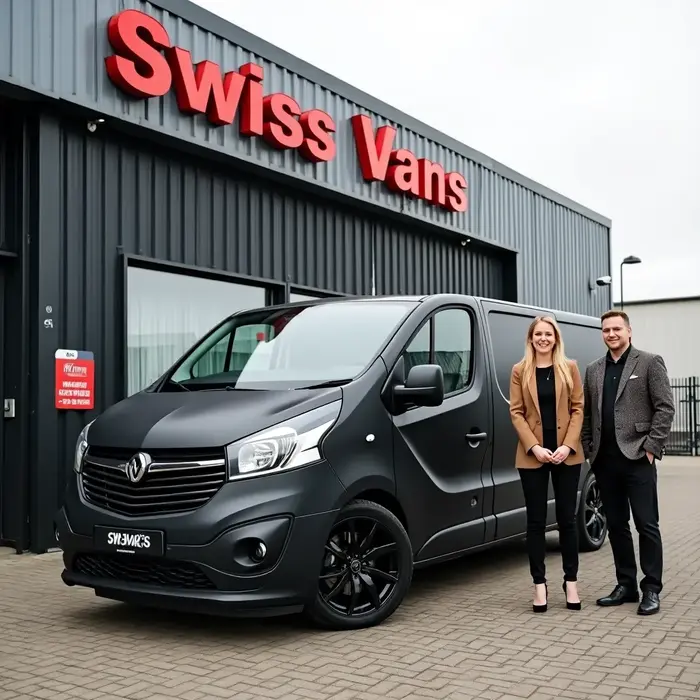
Types of Van Leasing Options
When it comes to van leasing for new businesses, there are several options available, each with its own advantages and considerations. These options provide flexibility and financial benefits, allowing businesses to choose the most suitable arrangement for their needs.
Business Contract Hire
Business Contract Hire (BCH) is the most popular van leasing option for various business types, including sole traders, PLCs, and limited companies. Under this arrangement, the finance provider remains the owner of the vehicle throughout the lease term. Key features of BCH include:
- Fixed monthly payments for the duration of the lease
- Typical lease terms ranging from two to five years
- Option to add maintenance packages to cover servicing and repairs
- Inclusion of road tax in the monthly cost
- No responsibility for depreciation or disposal costs
BCH offers several benefits for new businesses:
- Improved cash flow management with fixed monthly payments
- Ability to claim back 100% of VAT for vans used exclusively for business purposes
- Opportunity to change vans regularly, ensuring access to newer models
- Manufacturer warranties remain applicable
This option is particularly advantageous for businesses looking to maintain a modern fleet without the burden of ownership.
Finance Lease
Finance lease is another popular option, especially for commercial vehicles and vans. It’s well-suited for limited companies, self-employed individuals, and sole traders. Under a finance lease arrangement, businesses have two main options:
- Higher monthly installments covering the entire van cost
- Lower monthly payments with a balloon payment at the end of the lease term
Key characteristics of finance lease include:
- No option to own the van at the end of the contract
- Requirement to sell the van to a third party upon contract completion
- Receipt of approximately 98% of the sale proceeds by the lessee
- No excess mileage charges, making it ideal for high-mileage businesses
Finance lease offers several advantages:
- Fixed monthly payments and low upfront costs
- Flexibility for businesses with higher mileage requirements
- Potential to benefit from higher-than-expected residual value
However, it’s important to note that the lessee is responsible for any difference if the sale proceeds are less than the agreed residual value.
Other Options
In addition to BCH and finance lease, there are other van leasing options available to new businesses:
- Lease Purchase: This option allows businesses to eventually own the van. Key features include:
- Fixed monthly payments towards ownership
- Balloon payment required at the end of the agreement
- Lower monthly payments compared to hire purchase
- Hire Purchase: Similar to lease purchase, but with some differences:
- Higher monthly payments
- No balloon payment at the end of the contract
- Easier route to ownership
Both lease purchase and hire purchase offer advantages such as:
- No concerns about excess mileage
- Ability to retain ownership at the end of the contract
- Option to offset the van’s value against taxable profits
For new businesses with limited credit history, alternative options include:
- Personal leasing based on individual credit history
- Short-term leasing agreements up to 90 days without credit checks
These various leasing options provide new businesses with the flexibility to choose an arrangement that best suits their financial situation and operational needs. By carefully considering the benefits and drawbacks of each option, businesses can make an informed decision that supports their growth and mobility requirements.
Eligibility Criteria for New Businesses
Starting a new business and leasing a van can be challenging, especially when it comes to meeting eligibility criteria. Finance companies assess risk and affordability when considering credit applications from new businesses. Understanding these requirements can help entrepreneurs prepare and increase their chances of securing a van lease.
Credit Requirements
For new businesses, passing strict financial checks can be more challenging due to a lack of financial history. Generally, a credit rating of at least 700 is needed to pass the credit check and lease a van. However, VanLeasing.com offers options for those with less-than-perfect credit scores, believing that credit history shouldn’t hinder business growth.
Some key points regarding credit requirements include:
- Credit scores below ‘good’ (700-749) may result in failing the credit check.
- Some leasing companies have their own credit scoring scales and systems.
- Affordability checks are often used alongside credit checks to assess the applicant’s current financial situation.
For businesses with lower credit scores, there are still options available:
- Paying a larger upfront initial payment (typically 9-12 months’ worth) can make lenders more likely to consider the application.
- Some companies specialize in bad credit van leasing, offering opportunities even to those with CCJs.
Documentation Needed
To support a van lease application, new businesses should prepare various documents. These help finance companies assess the viability and reliability of the business. Required documentation may include:
- Proof of business registration (e.g., certificate of incorporation)
- Opening balance sheet
- Profit and loss statements
- Recent balance sheets
- Three-year address history
- Proof of UK residency
- Full UK driving license
- Proof of positive trading (e.g., invoices or management accounts)
- Three months of bank statements
- Comprehensive business plan (including goals, strategies, and financial forecasts)
- Proof of ID and address for directors (e.g., driving license, passport, utility bills)
For limited companies, additional requirements may include:
- Personal director’s guarantee
- Company details and director information
- Business bank details
Trading History Considerations
New businesses often face challenges due to their short trading history. This lack of evidence regarding financial obligations can make finance companies cautious. Here are some key points to consider:
- Some finance companies have policies against financing businesses trading for less than two years.
- If the business previously operated as a sole trader, the finance company may request prior trading history.
- To mitigate risks associated with limited trading history, finance companies may:
- Require a larger initial rental (e.g., 9 x monthly rentals)
- Request a different payment profile than initially proposed
- Restrict the value of the vehicle to an upper limit (e.g., £25,000)
- Previous industry experience can be beneficial when applying for a lease.
For businesses with limited trading history, alternative options may include:
- Personal leasing based on individual credit history rather than company financials
- Short-term leasing agreements (up to 90 days) without credit checks
By understanding these eligibility criteria and preparing accordingly, new businesses can improve their chances of securing a van lease. It’s important to note that while these requirements may seem stringent, many leasing companies are willing to work with new businesses to find suitable solutions that support their growth and mobility needs.
Choosing the Right Van Van Leasing for New Businesses
Assessing Your Business Needs
When selecting a van for a new business, it’s crucial to evaluate specific requirements carefully. This assessment helps in determining the most suitable vehicle for operational needs. Key factors to consider include:
- Cargo space: Identify the size and volume of goods regularly transported. This information guides the selection of an appropriate van type and size.
- Payload capacity: Ensure the chosen van can handle the weight of goods without compromising performance or safety.
- Frequency of use: Determine how often the van will be used, as this influences the ideal mileage allowance in the lease agreement.
- Business function: Consider how the business would operate without a van and assess its necessity for trade. This evaluation impacts the urgency of acquiring a newer van and the availability of in-stock deals.
- Financing preferences: Decide whether ownership or leasing aligns better with business needs. Leasing can be a cost-effective way to source a brand-new van, but the decision ultimately depends on specific business requirements.
Popular Van Models for New Businesses
The market offers numerous van models and sizes, catering to diverse business needs. Here are some popular options to consider:
- Small vans: Ideal for businesses with limited cargo needs or those operating in congested urban areas. Examples include:
- Medium vans: Offering a balance between cargo capacity and maneuverability, suitable for a wide range of businesses. Popular models include:
- Large vans: For businesses requiring maximum cargo space and payload capacity. Options include:
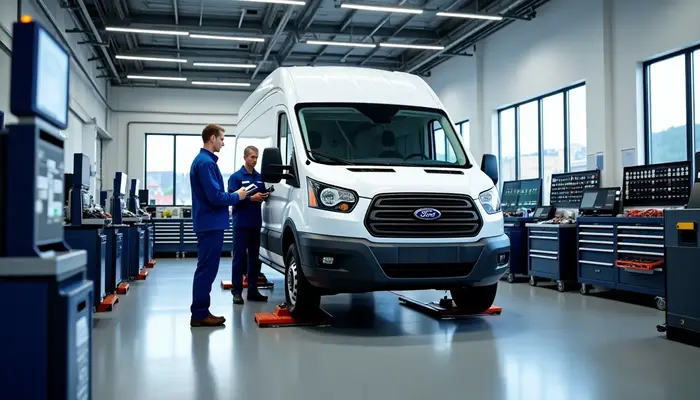
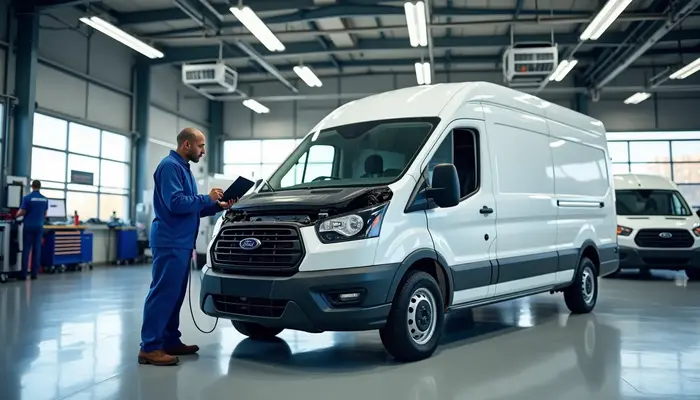
- Ford Transit
- Iveco Daily
When choosing a van, consider factors such as size, fuel economy, reliability, basic features, and overall value for money. Based on a survey of small business owners, the Renault Trafic was rated highly for fuel economy, basic features, overall value for money, and on-road cost. The Ford Transit Custom scored well for size and value for money, while the Mercedes Vito received top marks for reliability.
Customization Options Van Leasing for New Businesses
Ensuring that the leased van can be customized to meet specific business requirements is essential. Consider the following customization options:
- Internal racking and storage: Evaluate available racking and storage solutions to maximize efficient use of space and suit cargo needs. Options include:
- Shelving units
- Racks
- Partitions
- Signage and branding: Check whether the leasing provider allows custom signage and branding on the van, as this can help promote the business while on the road.
- Specialized equipment: Determine if additional features can be fitted to small, medium, or large vans. Common customizations include:
- Internal racking systems for secure load transportation
- Ply lining for walls and floors to protect and insulate cargo
- Extra security features (e.g., GPS tracker, deadlock, alarm system)
- Commercial refrigeration and cooling systems for perishable items
- Ergonomic considerations: Customize the van to accommodate different body sizes, reducing the risk of injuries and fatigue for employees.
- Eco-friendly options: Consider integrating electric versions or providing electrical assistance in customized vans to align with sustainability initiatives and reduce fuel costs.
By carefully assessing business needs, exploring popular van models, and considering customization options, new businesses can choose the right van that aligns with their operational requirements and supports growth.
Financial Considerations
Budgeting for Van Leasing
Van leasing has become a popular choice for employers, sole traders, small businesses, and fleet managers due to its numerous benefits. One of the primary advantages is the positive impact on cash flow. Leasing a van means the initial capital outlay is significantly less compared to purchasing, which supports business cash flow requirements. This approach offers immediate access to a wider range of quality vehicles at affordable rates.
When budgeting for van leasing, businesses need to consider several factors:
- Monthly payments: These are fixed costs that remain constant throughout the lease term, typically ranging from 24 to 48 months.
- Initial rental payment: While usually smaller than deposits required for other van finance deals, this upfront cost should be factored into the budget.
- Mileage allowance: Determine the anticipated mileage to avoid exceeding the agreed-upon limit, which can result in additional costs.
- Maintenance and servicing: Consider whether to include these in the lease agreement for more predictable costs.
Tax Benefits Van Leasing for New Businesses
Leasing a van for business purposes comes with several tax advantages:
- Tax-deductible expense: For tax purposes, van leasing is treated the same way as renting a vehicle. Lease payments are fully tax-deductible expenses in profit and loss accounts.
- VAT reclamation: If the company leasing the van is paying VAT on the lease, this can be reclaimed. The amount of VAT reclaimable depends on the vehicle’s business mileage percentage.
- Contract hire benefits: With contract hire leases, companies do not have to pay VAT on monthly finance payments. Additionally, VAT is recoverable on any service costs involved in optional service or maintenance packages.
- Finance lease advantages: For finance leases, companies can offset charges against annual profits.
- Benefit-in-Kind (BIK) tax considerations: If an employee uses a company van for private journeys, they may be liable for BIK tax. However, BIK usually does not apply if the van is used exclusively for business journeys or as a shared pool van.
It’s important to note that from April 2020, the flat-rate van benefit charge increased to £3,490 for the 2020-2021 tax year.
Hidden Costs to Watch Out For
While van leasing offers many financial benefits, businesses should be aware of potential hidden costs:
- Excess mileage charges: If you exceed the agreed-upon mileage limit, additional costs typically range from 10-30 cents per mile over the limit.
- Fair Wear & Tear policy: Understand the acceptable condition for returning the van at the end of the lease term to avoid unexpected charges.
- Early termination fees: Ending a lease agreement prematurely can result in significant financial consequences.
- Insurance requirements: Carefully review the lease agreement’s insurance terms to ensure compliance and avoid potential penalties.
- Maintenance responsibilities: While some lease agreements include maintenance, others may require the lessee to cover these costs separately.
- End-of-lease options: Consider the financial implications of various end-of-lease choices, such as returning the van, renewing the lease, or purchasing the vehicle at fair market value.
To make the most of van leasing’s financial benefits while minimizing hidden costs, businesses should:
- Accurately forecast mileage requirements
- Maintain the van according to the lease agreement terms
- Understand and adhere to the Fair Wear & Tear policy
- Consider including maintenance costs in the lease for more predictable expenses
- Carefully review all terms and conditions before signing the lease agreement
By taking these factors into account, businesses can make informed decisions about van leasing and effectively manage their financial resources while enjoying the flexibility and benefits of this popular vehicle acquisition method.
Conclusion Van Leasing for New Businesses
Van leasing offers a practical and flexible solution for new businesses looking to manage their transportation needs effectively. It has a positive impact on cash flow, provides access to modern vehicles, and offers potential tax benefits. By carefully assessing their requirements, exploring various leasing options, and understanding the financial implications, entrepreneurs can make informed decisions that support their business growth.
To wrap up, van leasing or Ford Van Leasing for small businesses presents a compelling option for startups and small businesses to acquire necessary vehicles without the burden of ownership. It allows companies to focus on their core operations while enjoying the benefits of reliable transportation. As with any financial decision, it’s crucial to weigh the pros and cons, consider hidden costs, and choose a leasing arrangement that aligns with the company’s long-term goals and operational needs.
FAQs
1. Is it possible for a new business to lease a van?
Yes, a new LTD company can certainly lease a van, which offers several benefits such as cost-effective financing, tax benefits, and flexibility. It’s important to understand the specific requirements and explore the different leasing options available to maximize the advantages.
2. What van financing options are available for a newly established Ltd company?
New businesses have access to various van financing options, including Hire Purchase, Personal Contract Purchase, Finance Lease, and Contract Hire. Each option offers different benefits and terms, so it’s advisable to consider which best suits your business needs.
3. Should self-employed individuals consider leasing a van?
Definitely! Leasing a van when you are self-employed can be highly beneficial. It allows you to enjoy tax advantages, lower monthly payments, coverage under the full manufacturer’s warranty, the ability to upgrade to newer vans periodically, and predictable costs.
4. Can a new business qualify for a car lease?
Yes, new businesses can lease cars for business purposes provided they can demonstrate the ability to afford the monthly lease payments. This can be a practical solution for maintaining liquidity while ensuring the business has the transportation it needs.