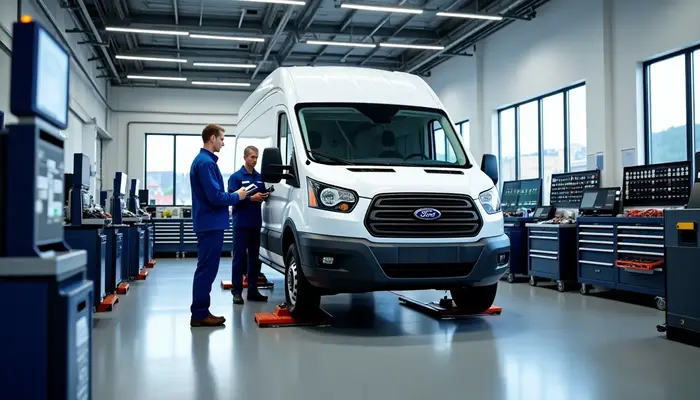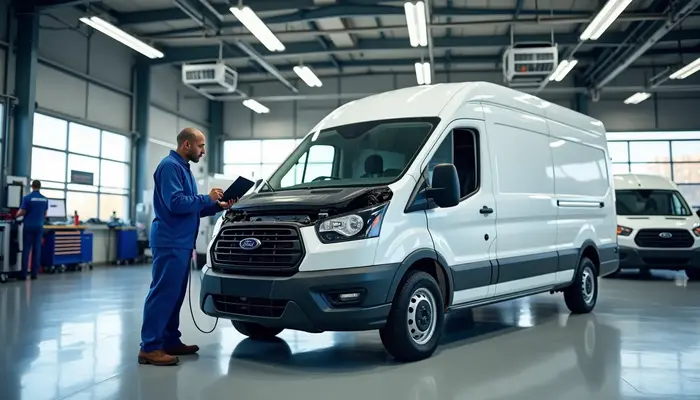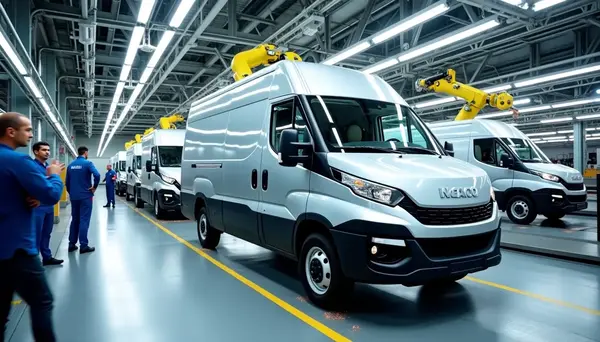
The Ford Transit Custom has long been a stalwart in the medium van segment, offering a blend of practicality, performance, and versatility. As businesses and tradespeople seek the perfect vehicle to meet their needs, a comprehensive Ford Transit Custom review becomes essential. This popular van has made a name for itself with its impressive specs, including its payload weight, towing capacity, and fuel efficiency measured in miles per gallon (mpg). Source
When comparing the Ford Transit Custom vs competitors, several factors come into play. Its dimensions, various models, and price in the UK market all contribute to its appeal. This article aims to analyze how the Transit Custom stacks up against its rivals, examining its performance on the road, interior space, cargo capacity, and cutting-edge technology features. By the end, readers will have a clear understanding of where this van stands in the competitive medium van landscape.
Ford Transit Custom Overview
The Ford Transit Custom stands as a versatile and innovative medium van, offering a range of features designed to meet the diverse needs of businesses and tradespeople. As part of the Transit family, it occupies a crucial position between the smaller Transit Connect and the larger full-size Transit, competing with notable rivals such as the Citroën Dispatch, Mercedes Vito, and Volkswagen Transporter.
Key Features Ford Transit Custom Review
The Transit Custom boasts an array of advanced features that enhance its functionality and user experience. A keyless system allows drivers to start the vehicle without fumbling for keys, as long as the key fob is present. The van’s interior is designed for practicality, featuring a tilting steering wheel that transforms the cab into a multifunctional space suitable for office work or breaks.
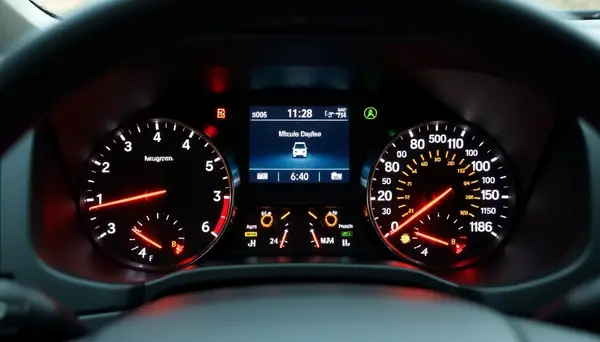
Storage solutions are well-thought-out, with the flexible dual front passenger seat offering easy-access under-seat stowage large enough for laptops and office accessories. The high-definition Digital Instrument Cluster displays information in easy-to-understand icons, allowing drivers to prioritize the data they wish to see.
Safety is a priority in the Transit Custom, with more airbags as standard than ever before. The front passenger airbag is now located in the roof, saving space in the instrument panel. Rear Curtain Airbags cover the second row of seats, while Side Airbags in the front seat backs provide protection in lateral or front-angled collisions.
Available Configurations Ford Transit Custom Review
The Transit Custom offers a vast array of configurations to suit different scenarios. Options include:
- Double Cab in-Van: Seating for up to six people with a full-width bulkhead behind the second row.
- Kombi: Capable of transporting up to eight people with a reasonable boot for airport runs.
- Tourneo: A more luxurious version of the Kombi with seating for up to nine people.
- MultiCab: A new addition that provides seating for five while maintaining the ability to transport large items like 8×4 plywood sheets.
The van is available in two lengths (L1 and L2) and features a lower roof height in the H1 version, improving access to multi-storey car parks. This design change has resulted in a 13% improvement in aerodynamics compared to the previous model, contributing to better efficiency.
Engine Options Ford Transit Custom Review
The Transit Custom offers a range of engine options to suit various needs:
- 2.0-liter EcoBlue diesel engine:
- Power outputs: 107bhp, 134bhp, 148bhp, and 168bhp
- The 134bhp and 168bhp versions are available with four-wheel drive
- All other versions are front-wheel drive
- Plug-in Hybrid (PHEV):
- 2.5-liter engine with 224bhp
- Electric-only range of up to 35 miles
- Available from Trend trim and above
- All-electric options:
- 134bhp version available from Trend trim and above
- 215bhp version exclusive to Sport trim
The diesel engines are paired with a six-speed manual transmission as standard, with an eight-speed automatic gearbox available as an option on the 134bhp and 148bhp variants. The 168bhp version comes exclusively with the automatic transmission.
Fuel economy varies across the range, with the diesel engines achieving between 34.0mpg (for the 168bhp automatic with four-wheel drive) and 40.9mpg (for the 107bhp manual front-wheel drive). The PHEV model boasts an impressive 176.0mpg due to its electric capabilities.
Top Competitors in the Medium Van Segment
The medium van segment is highly competitive, with several manufacturers vying for market share. While the Ford Transit Custom has established itself as a popular choice, it faces stiff competition from other well-regarded models. Let’s examine some of the top competitors in this segment.
Mercedes Vito
The Mercedes Vito stands out as a premium option in the medium van market. It offers a range of features that appeal to businesses seeking a blend of functionality and prestige. The Vito boasts a lower height compared to its competitors, making it suitable for accessing underground and multi-storey car parks. This feature is particularly beneficial for urban-based businesses.
In terms of cargo capacity, the Vito impresses with its extra-long wheelbase version, which has the longest load bed among its peers. It offers up to 6.0 cubic meters of load volume, providing ample space for various business needs. The van’s payload capacity exceeds 1,200kg, making it a capable workhorse.
However, the Vito’s interior has been noted as somewhat dated compared to newer models in the segment. The dashboard and instrument panel lack the modern touch of its competitors, and the absence of a carpeted covering on the bulkhead is noticeable. The seating position is lower, which may affect visibility for some drivers.
Volkswagen Transporter Ford Transit Custom Review
The Volkswagen Transporter has earned its place as an icon in the van world, known for its versatility and enduring design. It offers the widest and tallest load area among its competitors, making it an excellent choice for businesses requiring maximum cargo space. The Transporter also boasts the widest rear door aperture, facilitating easier loading and unloading of large items.
One of the Transporter’s standout features is its comprehensive engine lineup. It offers four diesel power ratings ranging from 83bhp to 201bhp, as well as two petrol options. This variety allows businesses to choose the perfect balance between performance and efficiency for their specific needs.
The Transporter’s interior, while perhaps not as stylish as some competitors, is highly functional. It strikes a balance between durability and comfort, making it well-suited for the demands of daily commercial use. However, some users have reported that the cabin doesn’t quite match the value for money offered by other vans in the segment.
Renault Trafic
The Renault Trafic has carved out its niche in the medium van segment by offering a compelling mix of practicality and affordability. One of its standout features is its impressive load length. The extended wheelbase version can accommodate items up to 4.15m long, making it one of the most versatile options in its class for transporting lengthy cargo.
The Trafic’s diesel engines have earned a reputation for their economy and strong performance, particularly in the low-end torque range. This characteristic ensures confident acceleration, even when the van is fully loaded. The twin-turbo units are especially praised for their punchy delivery.
In terms of pricing, the Trafic often undercuts key rivals like the Ford Transit Custom, making it an attractive option for businesses looking to minimize upfront costs. Combined with its efficient engines, this can contribute to lower overall running costs over the vehicle’s lifetime.
However, it’s worth noting that the Trafic’s maximum load volume of 8.6 cubic meters is smaller than some competitors. While this may be sufficient for many tradespeople and small businesses, it might not suit those requiring vast amounts of cargo space. The van compensates for this with its load-through bulkhead and longer load length in extended wheelbase versions, offering flexibility for carrying longer items.
Performance and Driving Experience
Engine Power
The Ford Transit Custom offers a range of engine options to suit various needs. The 2.0-liter EcoBlue diesel engine is available in several power outputs, ranging from 107bhp to 168bhp. This engine has been designed to deliver 20% more low-end torque compared to its predecessors, significantly enhancing its pulling power at lower revs.
The 148bhp version provides ample performance, both low and high in the rev range, never leaving drivers yearning for more power, even on motorways. For those seeking more robust performance, the 170PS engine consistently delivers a more powerful driving experience. When paired with an automatic gearbox, it offers a more relaxing drive, highlighting its superior torque and ease of handling, especially under load.
Conversely, the 130PS engine, while adequate for general tasks, shows limitations under more strenuous conditions. It has been reported to struggle with low-end torque, particularly noticeable in challenging driving scenarios such as navigating roundabouts or steep inclines.
Handling
The Transit Custom’s handling has been refined to provide a more car-like driving experience. The front wheels have been moved forward slightly, improving the van’s driving dynamics. Body movements are kept nicely in check, and the steering is very light, making this big vehicle easy to maneuver around town.
The new steering is light but accurate and direct, and the chunky, squared-off steering wheel feels very positive and reassuring in the driver’s hands. While the steering doesn’t weight up much at higher speeds, it remains quick and direct. This combination allows drivers to feel confident and in control, even when navigating through tight urban environments.
Ride comfort has been significantly improved thanks to the independent rear suspension. This new setup makes the back of the van stay planted on the road, with less bounce than in the previous version. The 16-inch wheels and tall tires make light work of potholes, although the suspension does make a loud thump when encountering them.
Fuel Efficiency Ford Transit Custom Review
Fuel economy is a crucial factor for van drivers, and the Transit Custom delivers competitive figures in this regard. The 2.0-liter EcoBlue engine is reported to achieve up to 46.3mpg on the combined cycle, an improvement from the 42.2mpg offered by the older 2.2-liter engine. However, real-world figures may vary, and achieving such efficiency can depend significantly on factors like driving style, journey type, and load.
Average fuel economy figures for the 2.0-liter diesel engine range from 34.0mpg (for the 168bhp automatic with four-wheel drive) to 40.9mpg (for the 107bhp manual front-wheel drive version), according to official WLTP figures. These figures are in line with most other medium vans in the market.
For those seeking even greater efficiency, the plug-in hybrid (PHEV) version of the Transit Custom offers an impressive 176.0mpg. This is due to its ability to travel on electric-only power for up to 35 miles, according to official tests. However, it’s important to note that predominantly using the petrol engine in PHEV models can significantly impact fuel economy.
To maximize fuel efficiency, drivers can employ several techniques such as maintaining proper tire pressure, reducing vehicle weight by removing unnecessary cargo, planning routes to minimize idling and traffic congestion, and adopting eco-driving techniques like anticipating traffic flow and avoiding high speeds.
Interior and Cargo Space
The Ford Transit Custom excels in providing a comfortable and practical interior space, coupled with impressive cargo capacity. This combination makes it a top choice for businesses and tradespeople alike.
Cabin Comfort
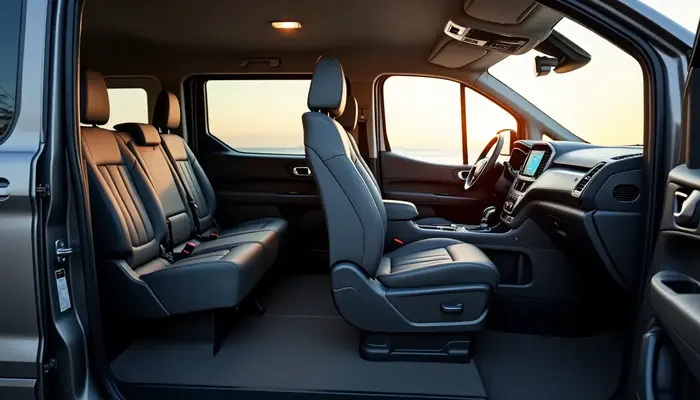
The Transit Custom’s cabin takes design cues from Ford’s popular passenger vehicles, such as the Fiesta and Focus. This approach results in a well-built interior with high-quality materials that create a car-like atmosphere. The dashboard is user-friendly and equipped with essential features including air conditioning, Bluetooth connectivity, and heated seats.
A standout feature is the flat floor in the cab, which significantly enhances comfort and usability. This design provides ample foot space for the middle passenger and turns the floor into a more versatile area. Ford implemented this feature based on customer feedback, with one user mentioning the convenience of carrying paint pots next to them in the cabin.
The driving position is notably elevated, offering excellent visibility. However, some users might find the cabin roof slightly low due to the repositioning of the airbag, which can create a somewhat enclosed feeling.
Storage Solutions
The Transit Custom offers an array of clever storage solutions throughout the cabin. The door panels feature three distinct storage areas: a small space near the door handle, a larger compartment with a bottle holder lower down, and a discreet compartment at the bottom.
The dashboard includes open spaces in front of the steering wheel and two glove boxes. The lower glove box is standard-sized, while the upper one is uniquely deep, extending about 30cm back. This space is ideal for storing large, flat folders.
Under-seat storage is another practical feature, with space available beneath the passenger seat. This area can be connected to the rear loading bay through a load-through hatch, enhancing versatility.
One of the Transit Custom’s most praised features is its abundance of cup holders. The van offers various sizes to accommodate different drink containers, complemented by spacious door bins for additional storage.
Load Capacity
The Transit Custom’s load capacity is one of its strongest selling points. The van offers a vast 4,400-liter load area, making it ideal for a wide range of tasks, from moving house to transporting motorcycles.
Ford offers the Transit Custom in both long and short wheelbase versions. The long-wheelbase model provides an additional 370mm between the axles compared to the standard version. Even in its double-cab configuration, which divides space between the load bay and a second row of seats, the long-wheelbase model still offers an impressive 5.9 cubic meters of cargo space.
The van’s loading bay has undergone minor but significant improvements in the 2024 model. These include a slightly dropped entry step on the side loading door, making entry and exit easier. Optional features now include a powered sliding side door with hands-free operation and improved lighting in the rear.
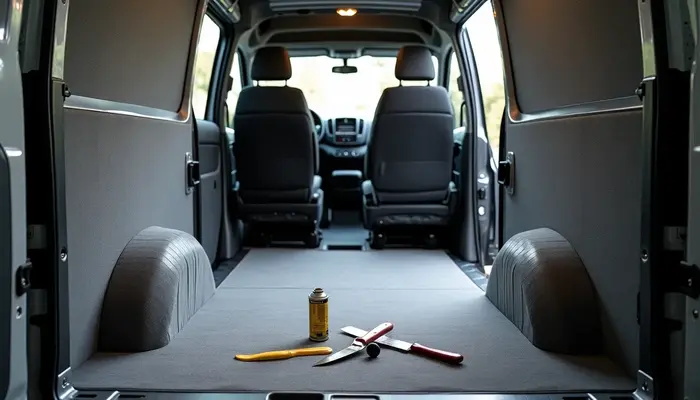
Ford provides various flooring and lining options, including half and full-height side protection. A solid metal bulkhead comes as standard, with the option to add a glazed version. However, it’s worth noting that a rear window doesn’t automatically come with the glazed bulkhead and needs to be specified separately if desired.
The Transit Custom’s payload capacity varies depending on the specific model and configuration. The 2.0-liter 136hp front-wheel-drive van in Leader trim with a manual gearbox offers the highest payload at launch, capable of carrying 1,407kg. However, it’s important to note that some models have payloads below 1,000kg, so buyers should carefully consider their specific needs when choosing a configuration.
Technology and Safety Features
The Ford Transit Custom boasts an impressive array of advanced technologies and safety features, making it a top contender in the medium van segment. These innovations not only enhance the driving experience but also prioritize the safety of both the driver and passengers.
Infotainment System Ford Transit Custom Review
At the heart of the Transit Custom’s technology offerings is a state-of-the-art infotainment system. The centerpiece is a large 13.0-inch touchscreen display, prominently positioned in the dashboard’s center. This vibrant screen serves as the control hub for various functions, including navigation, entertainment, and vehicle settings. The system incorporates Ford’s SYNC 4 technology, which now includes Amazon Alexa voice assistance, allowing for hands-free control of many features.
While the touchscreen is impressive in size and clarity, some users may find navigating through submenus to access certain functions, such as the radio, slightly cumbersome. The integration of climate controls into the touchscreen has also been a point of contention, as the small icons can be distracting to use while driving. However, Ford has thoughtfully retained a physical knob for stereo volume control, balancing modern technology with practical usability.
Complementing the main display is an 8.0-inch digital driver’s display. This configurable screen presents essential information such as driver assistance functions and trip data. Although relatively basic in functionality, its simplicity contributes to ease of use, allowing drivers to quickly access vital information without distraction.
Driver Assistance
The Transit Custom comes equipped with an extensive suite of driver assistance features, designed to enhance safety and reduce driver fatigue. Standard across the range are several advanced systems:
- Pre-collision assist
- Lane-keeping assist
- Traffic sign recognition
- Intelligent speed assist
- Auto high beam
- Front and rear parking sensors
- Rear-view camera

These systems work in harmony to provide a comprehensive safety net for drivers. The lane-keeping assist, for instance, offers support without being intrusive, gently guiding the vehicle back into its lane when necessary. The speed limit detection system promptly alerts drivers when they exceed the limit, though some may find frequent notifications slightly annoying.
For those who prefer a more traditional driving experience, most of these functions can be easily deactivated via a steering wheel-mounted button or through the touchscreen interface.
Safety Ratings Ford Transit Custom Review
The Ford Transit Custom’s commitment to safety has not gone unnoticed by industry experts. Euro NCAP, the European New Car Assessment Program, has awarded the Transit Custom its coveted platinum medal for commercial van safety. This prestigious recognition underscores the van’s exceptional safety standards and the effectiveness of its advanced safety technologies.
The Transit Custom’s safety features extend beyond driver assistance systems. The van now offers more airbags as standard than ever before, including a front passenger airbag located in the roof to save space in the instrument panel. Rear curtain airbags cover the second row of seats, while side airbags in the front seat backs provide protection in lateral or front-angled collisions.
Ford has also introduced innovative safety accessories, such as electronic high-visibility panels and a Smart Mirror. These additions further enhance the van’s safety profile, particularly in challenging driving conditions or when visibility is limited.
The comprehensive safety package and advanced technologies have positioned the Ford Transit Custom as a leader in its class, offering peace of mind to drivers and fleet operators alike. As commercial van safety continues to evolve, the Transit Custom stands at the forefront, setting new standards for the industry.

Conclusion Ford Transit Custom Review
The Ford Transit Custom has proven itself as a top contender in the medium van segment. Its blend of practicality, performance, and innovative features has a significant impact on its appeal to businesses and tradespeople alike. The van’s versatility, from its various configurations to its range of engine options, allows it to meet diverse needs effectively. What’s more, its commitment to safety, as shown by its Euro NCAP platinum medal, puts it at the forefront of commercial vehicle safety standards.
To sum up, the Transit Custom’s strengths in cargo capacity, driving experience, and cutting-edge technology make it a standout choice for many users. While it faces stiff competition from rivals like the Mercedes Vito and Volkswagen Transporter, its well-rounded package of features and capabilities keeps it firmly in the running as a leader in its class. As the commercial van market continues to evolve, the Ford Transit Custom is well-positioned to adapt and meet the changing needs of its users.
FAQs Ford Transit Custom Review
1. Which van is superior, the Vivaro or the Transit?
Both the Vivaro and the Transit are excellent in terms of cargo space. However, the Vivaro slightly edges out with a more accessible loading area. The Transit Custom, on the other hand, compensates with its variety of height options and a higher maximum payload.
2. How does the size of a Ford Transit compare to a VW Transporter?
In terms of dimensions, the Ford Transit measures 2,555mm in length and 1,775mm in width, while the Volkswagen Transporter is slightly longer at 2,572mm but narrower at 1,700mm.
3. Which is better, the Ford Transit or the Dodge ProMaster?
The Ford Transit surpasses the Ram ProMaster® in several areas, notably in advanced safety features. Additionally, the Ford Transit offers more space, making it a better choice for accommodating more passengers comfortably and stylishly.
4. Who competes with the Transit Custom in the market?
The main competitors of the E-Transit Custom in the mid-size electric van market include the Vauxhall Vivaro Electric, Citroen e-Dispatch, Fiat E-Scudo, Peugeot e-Expert, Renault Trafic E-Tech, Mercedes eVito, and Maxus eDeliver 7.