The Land Rover Defender has long been a symbol of rugged versatility, captivating off-road enthusiasts and adventure seekers alike. For those looking to enhance their vehicle’s functionality and appearance, a Land Rover Defender hardtop conversion presents an exciting opportunity. This modification has the potential to transform a standard Defender into a more versatile and practical vehicle, capable of tackling diverse terrains while offering increased storage capacity and protection from the elements.
Embarking on a DIY Land Rover Defender hardtop conversion involves several key steps and considerations. This guide will walk readers through the process, covering everything from understanding the benefits of a hardtop to the nitty-gritty of installation. It will explore the necessary preparations, including gathering tools like an angle grinder, and delve into the intricacies of removing the original roof. The guide will also shed light on installing the new hardtop, making interior modifications, and maximizing the newly created space behind the front seats. By the end, readers will have a comprehensive understanding of how to turn their Defender into a more capable and comfortable vehicle.
Understanding the Land Rover Defender Hardtop
What is a Hardtop Defender?
The Land Rover Defender Hardtop is a variant of the popular off-road vehicle designed for commercial use. While it shares many similarities with the standard car version, the Hardtop model has significant differences, particularly in its interior configuration. The latest generation of Land Rover Defender Hardtops has gained popularity in both car and commercial forms, with an increasing number of these vehicles appearing on roads.
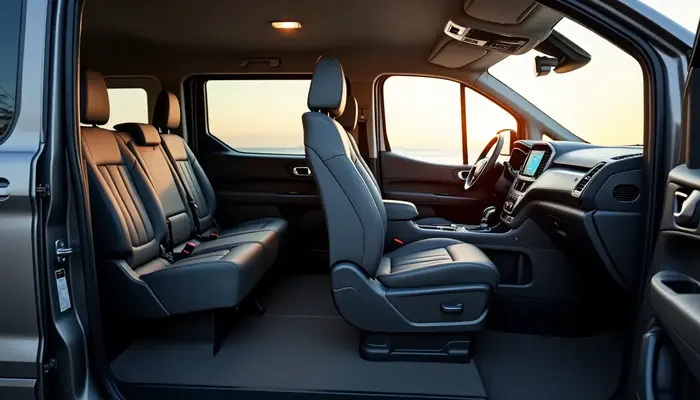
From the exterior, the Hardtop closely resembles its car counterpart. However, the interior layout sets it apart. Both the 90 and 110 variants come standard with a two-seater setup, featuring a van-style bulkhead behind the front seats. This configuration maximizes the available load space, making it ideal for various commercial applications.
For those needing additional seating capacity, there’s an option to include a third ‘jump seat’ between the driver and passenger seats, increasing the total seating capacity to three. This flexibility allows the Hardtop to cater to different user requirements while maintaining its commercial vehicle status.
The 110 variant of the Hardtop offers significantly increased storage and load space compared to the road car version. It features fully opening rear doors, similar to the car model, which greatly enhances accessibility and versatility for loading and unloading cargo.
Land Rover has thoughtfully designed the rear of the Hardtop with various storage compartments and cubbies, catering to the needs of working owners. This design consideration has made the Hardtop version popular among a wide range of professionals, from plumbers to farm owners, who use it as a versatile van alternative across the country.
Benefits of a Hardtop Conversion
Converting a standard Land Rover Defender to a Hardtop configuration offers several advantages:
- Increased Load Capacity: The Hardtop conversion provides a larger, more versatile cargo area, especially in the 110 variant. This increased space allows for the transportation of bulky items or equipment that might not fit in a standard Defender.
- Weather Protection: The hardtop structure offers better protection for cargo from the elements compared to soft-top or open-back configurations.
- Enhanced Security: With a solid roof and sides, the Hardtop provides improved security for valuable tools or equipment stored in the vehicle.
- Versatility: Some conversions allow for the installation of a fully ECE-approved, three-capacity rear seat that can fold to form a bulkhead when not in use. This feature offers unrivaled safety in the rear seat conversion market while seamlessly blending into the luxury vehicle interior.
- Tax Benefits: In some regions, the Hardtop qualifies as a commercial vehicle, potentially offering significant tax advantages. These may include lower benefit-in-kind taxation and more favorable tax write-offs for businesses.
- Customization Options: Hardtop conversions often come with various customization possibilities. For instance, some companies offer matching of front seat finishes and trim levels, whether in leather, faux leather, or cloth. There are also options to upgrade to luxurious Napa leather for both front and rear seats.
- Compliance and Safety: Quality conversions ensure compliance with EC regulations 14 & 17, including dynamic testing on high gravitational sleds, meeting the same standards as original equipment vehicle manufacturers.
- Dual-Purpose Functionality: The ability to have both increased cargo space and the option for additional passenger seating (in some conversions) provides a best-of-both-worlds scenario for users who need a vehicle that can serve multiple purposes.
Preparing for the Conversion
Tools and Materials Needed
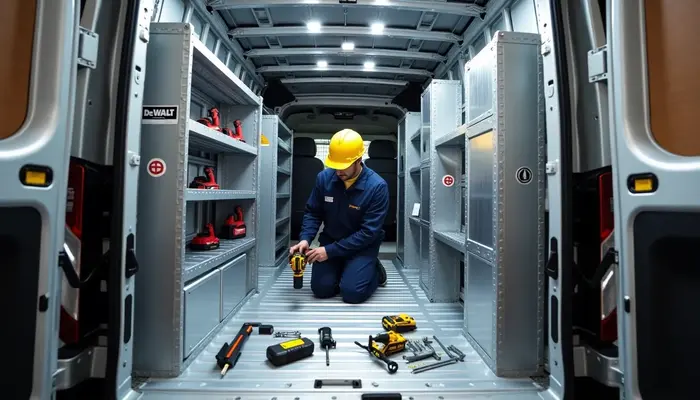
To successfully complete a Land Rover Defender hardtop conversion, one needs to gather a comprehensive set of tools and materials. The following list outlines the essential items:
- Socket Sets: Primarily metric for Defender-age vehicles, with a few AF sizes. Invest in quality sets like Draper Expert or Halfords Pro, including deep sockets.
- Spanners: A good metric combination spanner set, including two 9/16″ ring spanners for propshafts and a 13mm for battery disconnection.
- Power Tools:
- Air tools: Grease gun, rattle gun (preferably a quality brand like CP), and air ratchet
- 18V battery drill with two batteries
- Electric impact wrench for easier removal of stubborn bolts
- Specialized Tools:
- Torque wrenches (both large and small sizes)
- Oil filter strap
- Syringe-type oil pump for filling gear and transfer boxes
- Propshaft socket (9/16″)
- Grease gun
- Multimeter for electrical work
- General Tools:
- Breaker bars (18″ and 2ft)
- Hacksaw
- Angle grinder with cutting and grinding disks
- Cold chisels and center punches
- Pop-riveter with assorted rivets
- Rivnut tool
- Jacks and Stands:
- Two 3T workshop trolley jacks
- At least one pair of axle stands
- Electrical Tools:
- Crimping tool for insulated connectors
- Assorted crimp connections, ring and spade terminals, butt connectors
- Conversion-Specific Materials:
- Centaflex hinge for waterproof pop-top installation
- Electronic linear actuators (optional for raising and lowering the top)
- Roof inner sealing (MTC4994)
- Windscreen edge glue (MTC6568)
- Corner seals (MUC6400 or MXC3684/MXC3685)
- Rear door rubber seal (CKE500130)
- Lower seal waist for both sides (ALR5056 or AML710070/AML710071)
- Nut plates (MTC3203) and flanged bolts (FS106255L) for front hardtop to windscreen fixing
Safety Precautions
When undertaking a Land Rover Defender hardtop conversion, safety should be a top priority. Here are essential precautions to follow:
- Personal Protective Equipment:
- Wear safety goggles, especially when using power tools or working underneath the vehicle
- Use gloves to protect hands from sharp edges and chemicals
- Proper Lifting and Support:
- Always use jack stands in addition to jacks when working under the vehicle
- Ensure the vehicle is on level ground before lifting
- Electrical Safety:
- Disconnect the battery before working on electrical components
- Use insulated tools when working with electrical systems
- Chemical Handling:
- Use Duralac or similar products to prevent bi/trimetallic corrosion when working with mixed materials
- Apply threadlock on fasteners for added security
- Tool Safety:
- Regularly inspect tools for damage or wear
- Use tools only for their intended purpose
- Workspace Preparation:
- Ensure adequate lighting and ventilation in the work area
- Keep the workspace clean and organized to prevent trips and falls
- Fire Safety:
- Have a fire extinguisher readily available
- Be cautious when using tools that produce sparks, especially near fuel lines
By following these guidelines and using the appropriate tools and materials, one can ensure a safer and more efficient Land Rover Defender hardtop conversion process.
Removing the Original Roof
Removing the original roof of a Land Rover Defender is a critical step in the hardtop conversion process. This task requires careful planning, proper tools, and attention to detail to ensure a smooth transition. The process can be challenging, especially if it’s the first time the roof has been removed, but with the right approach, it can be accomplished successfully.
Step-by-Step Removal Process
- Assess the Roof Condition: Before starting, inspect the roof thoroughly. Look for any potential hazards, such as loose or damaged materials. This assessment helps in taking necessary safety precautions and planning the removal process effectively.
- Gather Necessary Tools: Collect all required tools, including socket sets, spanners, a paint scraper, and possibly a small wedge. These tools will be essential for removing bolts and breaking seals.
- Remove the Back Door: Taking off the back door can make the process easier and provide better access to the roof structure.
- Disconnect Utilities: If there are any electrical connections or other utilities attached to the roof, disconnect them carefully.
- Unbolt the Roof:
- Remove the bolts across the top of the windscreen.
- Take out the four corner nuts at the bottom of the hoop supports.
- Remove two bolts on either side of the tailgate.
- Unfasten any small bolted clips midway on either side of the rear tub.
- Break the Seals: Use a paint scraper to carefully slide between the window frame and the roof frame. This step is crucial, especially if it’s the first time removing the hardtop, as there might be silicone or other sealants used by previous owners to stop leaks.
- Lift the Roof: The roof is not particularly heavy but can be awkward to handle. There are several methods to remove it:
- Solo method: Stand in the front of the tub, put your back against the roof, and lift while walking it off. This method can be tricky and is not recommended for everyone.
- With assistance: Get a friend to help and use a couple of 2x4s for easier removal.
- Overhead support: If possible, use rafters or other overhead support to tie up the roof, then carefully drive the vehicle out from under it.
- Remove Sides (Optional): For easier storage or if you have a deluxe hardtop, consider removing the sides as well. This involves undoing additional bolts and breaking another seal.
Storing the Original Roof
Proper storage of the original roof is essential for preservation and potential future use. Here are some tips for storing the removed roof:
- Clean the Roof: Before storage, clean the roof thoroughly to remove any dirt or debris.
- Choose Storage Method:
- One-piece storage: If space allows, store the roof in one piece. This method involves unbolting the windshield frame from the top and sides from the cappings.
- Disassembled storage: For easier storage, unbolt the top from the sides, remove it, and then remove the sides separately. This method allows for more compact storage.
- Protect from Elements: Store the roof in a dry, covered area to protect it from weather damage.
- Support Properly: Use appropriate supports to prevent warping or damage during storage.
- Label Components: If storing in pieces, label all components for easy reassembly in the future.
By following these steps and guidelines, one can successfully remove and store the original roof of a Land Rover Defender, paving the way for the hardtop conversion. Remember, the process requires patience and careful handling to avoid damaging the vehicle or the roof components.
Installing the Hardtop
Fitting the New Roof
Installing a new hardtop on a Land Rover Defender requires precision and patience. The process begins with carefully aligning the hardtop to the car body. This step is crucial and may not be straightforward initially, as the alignment needs to be worked out meticulously.
The hardtop is secured to the body using a specific bolt configuration:
- Four lower back bolts
- Six bolts in the upper front
- Two side bolts
To ensure a proper fit, one should follow these steps:
- Position the hardtop carefully on the vehicle.
- Start with the front bolts, loosely fitting them to allow for adjustments.
- Move to the side bolts, again fitting them loosely.
- Finally, secure the lower back bolts.
- Once all bolts are in place, gradually tighten them, checking the alignment as you go.
For the front hardtop to windscreen fixing, specific components are required:
- MTC3203 Nut plates (6 needed)
- FS106255L flanged bolts (6 for the front)
Sealing and Weatherproofing
Achieving a watertight seal is crucial for the hardtop conversion. The following materials are essential for a tight fit and water resistance:
- MTC4994 Roof inner sealing
- MTC6568 Windscreen edge glue (applied to the large metal edge of the windscreen)
- Corner seals: MUC6400 or MXC3684/MXC3685 (model-dependent)
- CKE500130 Rear door rubber seal
- Lower seal waist: ALR5056 (same for both sides) or AML710070 (left) / AML710071 (right)
The sealing process involves several steps:
- Apply the MTC6568 glue to the windscreen edge.
- Install the MTC4994 roof inner sealing directly above the windscreen glue, not parallel to it.
- Fit the corner seals (MUC6400 or MXC3684/MXC3685) at the extreme lower corners, below the MTC4994, to push out the seal and block water ingress.
- Install the CKE500130 rear door rubber seal.
- Apply the lower seal waist (ALR5056 or AML710070/AML710071) between the hardtop and body capping on both sides.
For additional weatherproofing:
- Inject PU sealant in the gap between the tape and the foam windscreen seal to prevent water flow behind the door seal.
- Avoid using silicone, as it doesn’t provide an effective seal and can interfere with future paint work.
- For roof channels, clean out any flaking sealant and apply new sealant, smoothing it down with a gloved hand.
- Use a small plastic scraper to remove excess sealant around joints, working it into the joint as you go.
When installing windows, patience is key. Use a window rubber filler tool, which is essential for this task. Apply water with soap to ease the installation process. For the Defender quarter back window, consider placing the rubber filler from the inside, although this is not the standard method and can be challenging.
It’s important to note that water ingress between the hardtop and cappings may still occur and might require additional work to resolve. Also, be cautious when installing roof racks, as over-tightening can damage the roof channel weather sealing.
By following these steps and using the correct materials, one can successfully install a hardtop on a Land Rover Defender, ensuring a secure fit and improved weather resistance.
Interior Modifications
After completing the hardtop conversion, the next step involves enhancing the interior of the Land Rover Defender. These modifications focus on improving comfort, insulation, and esthetics. Two key aspects of interior modifications are adding insulation and installing headlining.
Adding Insulation
Insulation plays a crucial role in regulating temperature and improving comfort inside the vehicle. It has an impact on both thermal and acoustic properties, making the interior more pleasant for occupants. Here’s how to approach the insulation process:
- Identify Areas: Focus on insulating the walls, ceiling, and floor of the van. These are the primary areas that benefit from added insulation.
- Choose Materials: Select insulation materials that are lightweight yet effective. Options may include foam boards, reflective insulation, or spray foam.
- Installation Process:
- Remove any existing panels or trim
- Measure and cut insulation to fit the spaces
- Secure the insulation using adhesive or mechanical fasteners
- Ensure a snug fit to maximize effectiveness
- Seal Gaps: Pay attention to small gaps and crevices. Proper sealing prevents drafts and enhances overall insulation performance.
- Consider Moisture Barrier: In some cases, adding a moisture barrier can help prevent condensation issues.
Adding insulation has several benefits:
- Improved temperature control in both hot and cold weather
- Reduced road noise for a quieter interior
- Enhanced energy efficiency, especially for those using heating or cooling systems
Installing Headlining
Headlining is an essential component of interior modification, providing a finished look to the ceiling while offering additional insulation. Here’s a guide to installing headlining in a Land Rover Defender:
- Preparation:
- Clean the interior roof thoroughly
- Gather necessary tools: scissors, adhesive, fir tree clips, and a camera tripod (optional)
- Material Selection:
- Choose a headlining material that is lightweight, durable, and easy to clean
- Consider color and texture that complement the interior design
- Measuring and Cutting:
- Carefully measure the roof area
- Cut the headlining material to size, allowing for some overhang
- Installation Process:
- Start by attaching the headlining at the front
- Use fir tree clips to secure the headlining (approximately 10 clips should suffice)
- Work your way towards the back, ensuring even tension
- Helpful Tips:
- Use a camera tripod to hold the lining in position during installation
- For difficult areas like double cabs, take extra care and patience
- If installing in a hardtop, link up a rear light from the front to hold it in the right place
- Finishing Touches:
- Trim any excess material
- Ensure all edges are securely fastened
- Install any additional fixtures like roof lights
It’s important to note that the installation process can be physically demanding, particularly on the shoulders. Taking breaks and using assistance when possible can make the job easier.
For those installing headlining in a hardtop with roof lights, be prepared to drill additional holes if the existing ones don’t align perfectly. In some cases, longer fir tree clips may be necessary to hold the headlining securely through both roof liners.
By carefully adding insulation and installing headlining, Land Rover Defender owners can significantly enhance the comfort and appearance of their vehicle’s interior. These modifications not only improve the driving experience but also add value to the vehicle.
Conclusion
The DIY Land Rover Defender hardtop conversion is a transformative project that has a significant impact on the vehicle’s functionality and appearance. This guide has walked through the essential steps, from understanding the benefits of a hardtop to the nitty-gritty of installation and interior modifications. By following these instructions, Defender owners can boost their vehicle’s versatility, creating a more capable and comfortable ride for various adventures.
To wrap up, the hardtop conversion process, while challenging, offers a rewarding way to customize and enhance a Land Rover Defender. The increased storage capacity, improved weather protection, and potential for interior upgrades make it an attractive option for many enthusiasts. With careful planning, the right tools, and attention to detail, this DIY project can breathe new life into a beloved off-road classic, ready to tackle diverse terrains and adventures ahead.
FAQs
1. What is the cost range for converting a Land Rover Defender to an electric vehicle?
The cost to convert a Land Rover Defender into an electric vehicle typically starts at £33,000 and can go up to £77,000. This price range depends on various factors including the size of the battery pack, type of motor, charging speed, and optional accessories.
2. Is it possible to remove the top from a Defender?
Yes, the top of a Defender can be removed. It is secured with bolts, typically around 16, which need to be loosened and removed to take the top off.
3. Is the Defender hard top considered a commercial vehicle?
Yes, all versions of the classic Defender have been classified as “Commercial” vehicles since 2011. This classification mainly applies to hard tops and pickups, which are subject to commercial road tax under the N1 class with the DVLA.
4. Can you perform an engine swap on a Land Rover Defender?
Yes, you can swap the engine in a Classic Land Rover Defender. One of the most popular choices for an engine swap is the LS3, which is favored by enthusiasts looking to customize their vehicle for enhanced performance.