VW Amarok Problems: Common Issues and How to Solve Them
The Volkswagen Amarok has gained popularity as a reliable pickup truck, but like any vehicle, it’s not without its share of issues. VW Amarok problems can range from minor annoyances to more serious concerns that affect performance and reliability. Understanding these common problems is crucial for current owners and potential buyers to make informed decisions about maintenance and ownership.
This article delves into the most frequently reported VW Amarok problems, including engine troubles, transmission hiccups, and electrical system glitches. It also covers suspension and steering issues that some owners have faced. Additionally, the discussion extends to maintenance tips to help prevent these problems and improve the overall reliability of the vehicle. By exploring these topics, readers will gain valuable insights into the VW Amarok V6 potential weaknesses and how to address them effectively.
Common Engine Problems
The Volkswagen Amarok, while a popular pickup truck, has its share of engine-related issues that owners should be aware of. These problems can affect the vehicle’s performance, reliability, and overall driving experience. Let’s explore some of the most common engine problems reported by Amarok owners. VW Amarok Lease
EGR Valve Issues
The Exhaust Gas Recirculation (EGR) valve is one of the most frequently reported issues in the VW Amarok. This component plays a crucial role in reducing nitrogen oxide emissions by recirculating exhaust gasses back into the engine’s intake. However, EGR valves often fail prematurely, leading to several noticeable symptoms:
Rough idle
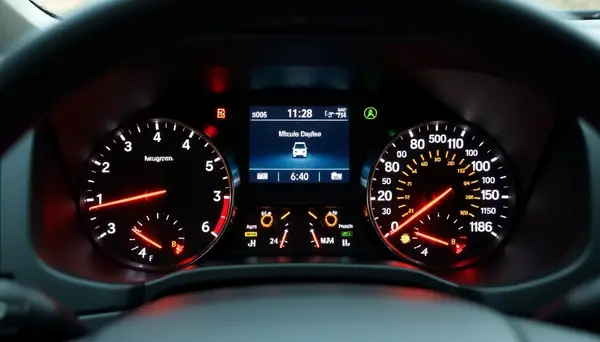
Illuminated engine management light
Potential power loss
In some cases, EGR valve problems can be severe enough to cause the vehicle to enter limp mode, significantly reducing performance. Owners have reported instances where replacing the EGR valve resolved these issues, but proper installation is critical to prevent further complications.
DPF Failures
The Diesel Particulate Filter (DPF) is another common source of problems for Amarok owners. This device, part of the exhaust system, is designed to capture and reduce harmful soot emissions. However, the DPF in the Amarok has been known to block quickly, leading to various issues:
DPF warning light activation
Increased fuel consumption
Unusual engine sounds
Burning smell during regeneration
The Amarok uses a process called “active regeneration” to clear the DPF. This process requires specific conditions:
At least a quarter tank of fuel
10-15 minutes of driving at over 2,200 rpm consistently
If these conditions aren’t met regularly, the DPF can become blocked, potentially leading to limp mode activation or the need for forced regeneration at a Volkswagen service center.
Water Pump Malfunctions
Water pump failures are another significant concern for Amarok owners. As a critical component of the engine’s cooling system, a malfunctioning water pump can lead to severe consequences:
Engine overheating
Potential engine damage
Reduced performance
Water pump issues often manifest through coolant leaks or unusual noises from the engine bay. Regular maintenance and prompt attention to any cooling system warning signs are essential to prevent more serious engine damage.
In addition to these specific issues, Amarok owners have reported other engine-related problems, including:
Turbo failures: Some owners have experienced premature turbo wear, potentially linked to other engine issues like EGR valve problems or oil contamination.
Engine management light activation: This can indicate various issues, from minor sensor malfunctions to more serious engine problems.
Difficulty starting: Some owners have reported sluggish cranking or starting issues, which may be related to fuel system problems or low battery voltage.
To mitigate these common engine problems, Amarok owners should:
Follow the manufacturer’s recommended maintenance schedule
Address warning lights and unusual symptoms promptly
Ensure regular highway driving to facilitate DPF regeneration
Consider preventive maintenance for known problem areas like the EGR valve and water pump
By staying proactive and attentive to these common engine issues, Amarok owners can help maintain their vehicle’s performance and reliability over time. Regular servicing at authorized Volkswagen centers can also help identify and address potential problems before they escalate into more serious and costly repairs.
Transmission and Drivetrain Issues
The Volkswagen Amarok, despite its popularity, has experienced several transmission and drivetrain issues that owners should be aware of. These problems can affect the vehicle’s performance, safety, and overall driving experience. This section explores the most common issues related to the Amarok’s transmission and drivetrain systems.
Gearbox Vibrations
One of the most frequently reported problems by Amarok owners is gearbox vibrations. These vibrations can manifest in various ways and under different driving conditions. For instance, some owners have reported experiencing a vibration that varies in severity, typically worsening when slowing down from about 80 km/h to a standstill. Interestingly, this vibration tends to disappear when accelerating.
The cause of these vibrations can be challenging to pinpoint, as they may stem from various components within the drivetrain. Some potential causes include:
Worn engine mounts
Warped brake drums
Issues with the center bearing or universal joints
To diagnose the problem accurately, it’s crucial to have a thorough inspection performed by a qualified mechanic. In some cases, owners have found that replacing the center bearing or propshaft has resolved the issue. However, it’s essential to avoid replacing parts unnecessarily without first identifying the root cause of the problem.
4WD System Faults
The Amarok’s four-wheel-drive system has also been a source of concern for some owners. A common issue is the flashing 4×4 light on the dashboard, accompanied by the 4×4 system not functioning correctly. This problem often manifests with the following symptoms:
Flashing 4×4 light on the dashboard
4×4 system not engaging or disengaging properly
Fault code 02035 related to the Hall sensor
The Hall sensor plays a crucial role in determining the position of the transfer case. When this sensor fails or the ECU cannot read its signal, the system cannot determine if the vehicle is in 2WD or 4WD mode, leading to the flashing 4×4 light.
Even after replacing the Hall sensor, some owners have reported persistent issues. This suggests that the problem may extend beyond the sensor itself and could involve:
Faulty wiring harnesses
Damaged connectors
Issues with the control unit
It’s worth noting that while the 4×4 and differential lock systems might share some components, they typically operate independently. However, a fault in one system can sometimes affect the other, leading to simultaneous symptoms.
Drive Shaft Failures
Drive shaft problems have been reported in various Amarok models, leading to a range of symptoms that can significantly impact the vehicle’s performance and safety. Some common signs of drive shaft issues include:
Vibrations while driving, especially at specific speeds
Clicking or knocking sounds when turning corners
Loss of power or sudden loss of motive force
In some cases, these problems can be severe enough to cause a complete failure of the drive shaft. For instance, a manufacturing defect affecting a small number of Amarok units (70 in total) led to a national recall campaign. This defect could cause the front drive shaft to become damaged and break, potentially leading to a sudden loss of motive power while driving.
The consequences of such a failure can be severe, increasing the risk of accidents and potentially causing injury or death to vehicle occupants and other road users. Therefore, it’s crucial for Amarok owners to be vigilant and address any signs of drive shaft problems promptly.
Regular maintenance and inspections can help identify potential issues before they escalate. If owners notice any unusual vibrations, noises, or loss of power, they should have their vehicle inspected by a qualified mechanic as soon as possible. In some cases, replacing worn components such as universal joints or the center bearing can resolve these issues and prevent more serious failures.
Electrical System Concerns
The Volkswagen Amarok, like many modern vehicles, relies heavily on its electrical system for optimal performance. However, owners have reported several electrical issues that can affect the vehicle’s reliability and functionality. This section explores some of the most common electrical system concerns faced by Amarok owners.
Battery Drain
One of the most frequent electrical issues reported by Amarok owners is battery drain. This problem manifests as a rapid decrease in battery voltage, even when the vehicle is not in use. Some owners have noticed that a fully charged battery at 12.6V can drop to 12.1V or 12.2V overnight.
Several factors can contribute to battery drain:
Parasitic draw from various components
Faulty alternator
Electrical system malfunctions
To diagnose battery drain issues, auto electricians often perform a current draw test. In some cases, a draw of around 0.45A has been measured through the SA2 feed from the battery. This wire typically splits into multiple branches, supplying power to numerous fuses.
Interestingly, removing individual fuses to isolate the source of the draw doesn’t always reveal the culprit. This suggests that the issue might be more complex, possibly involving multiple components or control modules.
Some potential causes of battery drain include:
Interior lights or glove box lights remaining on
Aftermarket electronics drawing power when the engine is off
Electric seat motors or antenna motors stuck in the ON position
Relays or components under the hood running with the engine off
It’s worth noting that modern vehicles’ ECUs might not enter sleep mode if they detect active components, potentially leading to increased power consumption.
Alternator Problems
Alternator issues can have a significant impact on the Amarok’s electrical system. A faulty alternator can lead to battery drain and other electrical malfunctions. Some owners have reported complete alternator failure, resulting in a loss of all electrical power while driving.
Symptoms of alternator problems include:
Dead battery despite recent replacement
No power output from the alternator
Inability to start the vehicle without a jump start
In some cases, alternator issues can be mistaken for battery problems. It’s crucial to have both the battery and alternator tested when experiencing electrical issues. A properly functioning alternator should maintain a voltage of around 14.4V when the engine is running.
Faulty Sensors
The Amarok’s advanced features rely on various sensors, and malfunctions in these components can lead to electrical system concerns. One common issue involves the reverse camera and parking sensors.
Some owners have reported that their reverse camera and parking sensors have stopped working. Interestingly, manual testing of the sensors often shows that they are functional, suggesting that the problem might lie in the electrical connections or control modules.
Diagnostic scans have revealed specific fault codes related to these issues. For example, the code B107C has been associated with parking aid buzzer or speaker short to ground. This fault can disable the entire parking assist system, despite being caused by a relatively inexpensive component.
Another sensor-related issue affects the 4×4 system. Some Amarok owners have experienced a flashing 4×4 light on the dashboard, indicating a system error. This problem is often linked to the Hall sensor, which determines the transfer case position. When this sensor fails or the ECU cannot read its signal, the system cannot determine if the vehicle is in 2WD or 4WD mode.
Even after replacing the Hall sensor, persistent issues may occur due to:
Faulty wiring harnesses
Damaged connectors
Control unit malfunctions
These electrical system concerns highlight the complexity of modern vehicle electronics. While some issues can be resolved through simple component replacements, others may require more extensive diagnostics and repairs. Amarok owners experiencing electrical problems should consult with qualified technicians who have experience with Volkswagen vehicles to ensure accurate diagnosis and effective solutions.
Suspension and Steering Troubles
The Volkswagen Amarok, while known for its robust build, is not immune to suspension and steering issues. These problems can significantly impact the vehicle’s handling, comfort, and safety. This section explores some of the most common suspension and steering troubles reported by Amarok owners.
Worn Shock Absorbers
Shock absorbers play a crucial role in maintaining vehicle stability and comfort. However, Amarok owners have reported issues with premature wear of these components. Signs of worn shock absorbers include:
Excessive bouncing after hitting bumps
Uneven tire wear
Reduced handling performance
Replacing shock absorbers is a common maintenance task for Amarok owners. While the process can be complex, many online resources provide step-by-step guides for DIY enthusiasts. However, it’s essential to dispose of old shock absorbers correctly to reduce environmental impact.
Power Steering Failures
Power steering problems have been a significant concern for some Amarok owners. These issues can manifest in various ways:
Heavy steering, especially during tight turns
Noisy operation
Fluid leaks
One common problem is a faulty power steering pump. Some owners have reported replacing the pump multiple times, with the replacement solving the issue temporarily. In one case, an owner had to replace the pump twice by 310,000 km, which they considered reasonable given the vehicle’s age and usage.
Another reported issue involves a whining noise when turning the steering wheel, which becomes louder during acceleration. In some instances, this has been traced to a faulty valve in the power steering pipe. Volkswagen has addressed this issue in some cases by replacing the faulty pipe.
It’s worth noting that Volkswagen has issued a recall for some Amarok models specifically for power steering system issues. The recall addresses a potential fault in one of the return hoses, which can cause heavy steering feel.
Alignment Issues
Proper wheel alignment is crucial for even tire wear and optimal handling. However, some Amarok owners have reported persistent alignment problems:
Uneven tire wear, particularly on the front tires
Steering pull to one side
Vibration in the steering wheel
One owner noticed excessive wear on the inside of both front tires after just 43,000 km, despite a wheel alignment check showing everything within specifications. Another common issue is wear on the outside of the left front tire, sometimes accompanied by feathering.
Interestingly, these alignment issues seem to persist even after professional alignments. Some owners have reported that their alignment remained unchanged from the factory settings, yet tire wear problems continued.
For 4Motion models, rear wheel alignment can be particularly challenging. Some alignment technicians may be unfamiliar with the process, leading to incomplete alignments. Owners of lowered Amaroks may face additional challenges, as the available adjustment range may not be sufficient to correct alignment issues caused by the modified suspension geometry.
To address these suspension and steering troubles, Amarok owners should:
Regularly inspect their vehicles for signs of wear or unusual behavior
Address any steering or suspension issues promptly to prevent further damage
Consider rotating tires regularly (every 10,000 km) to promote even wear
Be aware of potential recalls or known issues for their specific model year
By staying proactive and addressing these common suspension and steering troubles early, Amarok owners can help maintain their vehicle’s performance, safety, and longevity.
Maintenance Tips to Prevent Problems
Regular maintenance is crucial for keeping a Volkswagen Amarok in optimal condition and preventing potential issues. By following these maintenance tips, owners can ensure their vehicle’s longevity and performance.
Regular Service Intervals
Volkswagen recommends two types of service schedules for the Amarok: fixed and flexible. The choice depends on driving habits and conditions.
Fixed service is recommended for owners who:
Drive fewer than 9,300 miles per year
Mainly drive in the city or make frequent short journeys
Often carry out high engine loading activities, such as steep hill climbs, towing, or driving with multiple passengers
Frequently drive using high engine rpm with heavy acceleration and braking
Flexible service is suitable for those who:
Regularly drive more than 25 miles per day
Often drive long distances
Drive at a constant speed with minimum vehicle and engine loading
Most Volkswagens require fixed servicing at 9,300 miles or 12 months, whichever comes first. For vehicles on a flexible service schedule, the service indicator light signals when maintenance is due.
Proper Fluid Changes
Timely fluid changes are essential for maintaining the Amarok’s performance and preventing wear on critical components.
Engine Oil and Filter: Change every 15,000 km or 12 months, regardless of mileage.
Brake Fluid: Replace every two years, irrespective of mileage.
Coolant: Flush and replace when changing the water pump or during major engine work.
Timely Part Replacements
Replacing wear-and-tear parts at the right intervals can prevent more serious issues and costly repairs.
Air Filter: Replace every 45,000 km.
Fuel Filter: Change at 60,000 km.
Pollen Filter: Replace every 30,000 km.
Timing Belt and Tensioner: Replace at 120,000 km or 48 months. In dusty environments, check every 40,000 km.
Cambelt: Consider replacing at 90,000 km, despite VW’s recommendation of 120,000 km, to prevent potential engine damage.
Serpentine Belt and Rollers: Replace along with the cambelt at 90,000 km.
When replacing the timing belt, it’s advisable to change the idler pulleys and consider replacing the water pump as well. Often, timing belt kits that include the water pump are more cost-effective than purchasing individual components.
To ensure proper maintenance:
Clean connections and surrounding areas before disconnecting parts.
Use lint-free cloths when handling components.
Cover or seal opened components if repairs are delayed.
Install only clean parts and remove them from packaging just before use.
Clean sealing surfaces, threads, and surrounding areas of components like oil filters and fuel filters using appropriate tools.
Regularly clean door hinges and other moving parts.
By following these maintenance tips and adhering to the recommended service intervals, Amarok owners can prevent many common problems and ensure their vehicle remains in top condition. Regular servicing not only maintains optimal performance and durability but also preserves the vehicle’s resale value.
Conclusion
The Volkswagen Amarok, while a popular and capable pickup truck, has its share of challenges. From engine troubles to transmission hiccups, electrical glitches, and suspension issues, Amarok owners face a range of potential problems. However, many of these issues can be prevented or mitigated through regular maintenance and prompt attention to warning signs. By staying on top of service schedules and addressing concerns early, owners can help ensure their Amarok remains reliable and performs at its best.
For those considering an Amarok purchase or current owners looking to maintain their vehicle, understanding these common problems is crucial. This knowledge allows for informed decisions about maintenance, repairs, and long-term ownership. By following the recommended maintenance tips and staying alert to potential issues, Amarok owners can enjoy the many benefits of this versatile pickup while minimizing the risk of costly repairs down the road.
FAQs
What are some frequent issues with the VW Amarok?
The first-generation VW Amarok is known to have several common issues, especially in models made before 2015. These include problems with the timing chain and tensioner, faulty water pumps, issues with the high-pressure fuel pump, positive crankcase ventilators, and vacuum leaks.
How reliable is the VW Amarok?
The VW Amarok is a robust vehicle that can provide substantial longevity if properly maintained. However, like any vehicle, it has its vulnerabilities and may encounter occasional problems that need addressing.
Does the VW Amarok have a high theft risk?
Yes, the VW Amarok is considered to be at high risk for theft, similar to other vehicles like the Hilux, Prado, Fortuner, and Ranger, according to insurance classifications.
Are the maintenance costs for the VW Amarok high?
Maintenance costs for the VW Amarok can vary. For the previous-generation models, the four-cylinder diesel versions had a total servicing cost of GBP 157.130 over five years, while the V6 diesel versions were slightly more expensive at GBP 172.840. However, all 2023 Amarok models now feature a capped price for servicing at GBP 141.410, regardless of the variant or drivetrain.
Is the VW Amarok a good choice for a first car and for off-roading?
The VW Amarok has had mixed reviews for off-roading. Initially, it received great reviews, but over time, the sentiment shifted, and many owners began selling their vehicles. If considering a 2012 Amarok, it’s essential to thoroughly inspect the vehicle for any potential issues, especially given its history and the noted common faults.