Do I Need a Tachograph to Tow with My Van for Work?
For many van drivers who tow trailers or other equipment for work, the question “Do I need a tachograph?” often arises. This device, which records a vehicle’s speed, distance travelled, and driver activity, has an impact on various commercial transportation operations. Understanding when a tachograph is required is crucial for van owners and operators to ensure compliance with regulations and avoid potential penalties.
The need for a tachograph depends on several factors, including the combined weight of the van and trailer, the purpose of the journey, and specific exemptions. This article will explore the weight limits and towing considerations that determine tachograph requirements, examine special cases and exemptions, and discuss the consequences of non-compliance. Whether you’re towing a trailer with your van, using it for recovery purposes, or even considering larger vehicles like SUVs, this guide will help clarify when a tachograph is necessary for your operations.
What is a Tachograph and When is it Required?
Definition of a tachograph
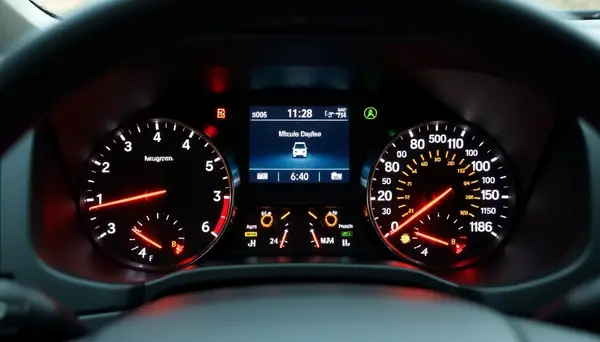
A tachograph is a device fitted to a vehicle that automatically records its speed and distance, along with the driver’s activity. This device plays a crucial role in ensuring that drivers and employers adhere to the laws on drivers’ hours. It comprises a sender unit mounted to the vehicle gearbox, the tachograph head, and a recording medium.
There are two types of tachographs: analogue and digital. Analogue tachographs use wax-coated paper discs to record data, resembling a clock with a needle that marks the information. Digital tachographs, on the other hand, look similar to a car stereo and fit into a stereo slot. They store data on a digital driver card containing a microchip with flash memory.

The tachograph records essential information such as: • Driving time • Breaks and rest periods • Other work and periods of availability • The vehicle’s speed • The distance the vehicle has travelled
This recorded data helps monitor compliance with rules and drivers’ hours, ensuring safety on the roads and fair billing of working hours.
Legal requirements for tachographs
The legal requirements for tachographs vary depending on the vehicle’s weight and its intended use. Generally, if a vehicle’s gross weight exceeds 3.5 tonnes (3,500kg), it may need a tachograph. This weight limit includes not only the vehicle itself but also any load it’s carrying and anything it’s towing.
In the UK and EU, tachographs are mandatory for: • Goods vehicles with a maximum weight of over 3.5 tonnes (including any trailer being towed) used for commercial purposes • Vehicles built to carry at least 9 passengers, if used for commercial purposes
It’s important to note that these requirements apply to vehicles registered in the UK or other EU member states. However, there are some exemptions and special cases to consider.
Drivers and employers have specific legal obligations regarding tachographs: • Drivers must ensure the tachograph is calibrated and functioning correctly before starting a journey • They must accurately record their driving and rest times, including work hours and breaks • Employers must download tachograph and driver card data regularly and archive it for at least 12 months • Both drivers and employers must comply with national and international regulations regarding driving hours and rest periods
Failure to comply with these requirements can result in severe penalties, including unlimited fines. Therefore, it’s crucial for van owners and operators to understand when a tachograph is needed and to ensure they’re using it correctly.
Weight Limits and Towing Considerations
Understanding the weight limits and towing considerations is crucial when determining if a tachograph is needed for a van used for work purposes. The key factor in this decision is the combined weight of the van and any trailer being towed.
Understanding Gross Vehicle Weight (GVW)
Gross Vehicle Weight (GVW), also known as Maximum Authorised Mass (MAM), refers to the maximum weight a vehicle can legally weigh while in use on the road. This includes the weight of the vehicle itself, its contents, passengers, and fuel. It’s essential to note that exceeding the GVW is against the law and can result in penalties if caught.
For vans, the GVW is typically found on the vehicle’s chassis plate, in the handbook, or sometimes on the V5C registration certificate. It’s crucial to be aware of this figure, as it plays a significant role in determining whether a tachograph is required.
Most vans have a GVW below 3.5 tonnes, which means they don’t usually need a tachograph under normal circumstances. However, when towing a trailer, the combined weight can exceed this limit, necessitating the use of a tachograph.
Calculating combined weight of van and trailer
To determine if a tachograph is needed when towing, one must calculate the combined weight of the van and trailer. This calculation involves adding the GVW of the van to the weight of the fully loaded trailer.
If the combined weight exceeds 3.5 tonnes and the vehicle is used for commercial purposes, a tachograph is legally required. This rule applies to vans towing trailers, horse boxes, or any other type of trailer for work-related activities.
It’s important to note that the combined weight calculation uses the potential maximum weight, not the actual weight at any given time. This means that even if the van and trailer are not fully loaded, the requirement for a tachograph is based on their maximum possible combined weight.
When calculating the combined weight, consider the following:
• The van’s GVW • The trailer’s maximum weight capacity • Any additional load being carried
For example, if a van has a GVW of 3 tonnes and is towing a trailer with a maximum weight of 1 tonne, the combined weight would be 4 tonnes. In this case, a tachograph would be required for commercial use.
It’s worth mentioning that from 1 July 2026, new regulations will come into effect for international logistics. Vans and light commercial vehicles with a maximum weight, including trailers or semi-trailers, exceeding 2.5 tonnes will be required to use a tachograph when used in cross-border freight logistics or cabotage transport.
To ensure compliance and avoid potential fines, van owners and operators should carefully consider their vehicle’s weight limits and towing capabilities. It’s advisable to consult the vehicle’s manual, check the chassis plate, or seek professional advice if unsure about weight limits or tachograph requirements.
Exemptions and Special Cases
While the general rule states that vehicles exceeding 3.5 tonnes used for commercial purposes require a tachograph, there are several exemptions and special cases to consider. These exceptions can have a significant impact on whether a van owner needs to install a tachograph, especially when towing a trailer.
50km radius rule
One of the most commonly used exemptions is the 50km radius rule, which has recently been extended to 100km. This rule allows certain vehicles to operate without a tachograph if they remain within a 100km radius of their base. However, this exemption comes with specific conditions:
• The vehicle or vehicle-trailer combination must not exceed 7.5 tonnes in weight. • The vehicle must be used to carry materials, equipment, or machinery for the driver’s use in the course of their work. • Driving the vehicle should not be the driver’s main activity.
It’s crucial to note that this exemption applies only to the base where the vehicle is normally stationed. Switching a vehicle between multiple bases to circumvent the rules is not permitted.
Personal use vs. commercial use
The distinction between personal and commercial use has a significant impact on tachograph requirements. For personal journeys, individuals can drive a vehicle weighing up to 7.5 tonnes without a tachograph. This exemption extends to non-commercial activities such as:
• Moving house • Carrying equipment for a hobby • Transporting goods for a charity or non-profit organisation
However, if any form of payment is received, even to cover fuel costs, it could be considered a commercial transaction, potentially requiring a tachograph.
For commercial use, the rules are more stringent. Any vehicle weighing more than 3.5 tonnes used for commercial purposes generally requires a tachograph. This includes SUVs and vans used for business activities, especially when towing a trailer that brings the combined weight over 3.5 tonnes.
There are additional exemptions worth noting:
• Vehicles that cannot exceed 40 km/h • Emergency aid vehicles • Breakdown vehicles operating within 100km of their base • Vehicles undergoing road tests or maintenance • Classic vehicles over 25 years old • Agricultural, horticultural, forestry, or fishery vehicles used within 100km of their base
It’s important to remember that even if a vehicle is exempt, owners must notify the Driver and Vehicle Standards Agency (DVSA). Furthermore, these exemptions can change, so it’s advisable to regularly check the latest regulations.
For those unsure about their specific situation, especially when it comes to towing a trailer or using a van for recovery purposes, consulting with the DVSA or a professional advisor is recommended to ensure compliance with current tachograph regulations.
Consequences of Non-Compliance
Non-compliance with tachograph regulations can have serious repercussions for both drivers and operators. The consequences range from financial penalties to legal action, and can significantly impact business operations. Understanding these consequences is crucial for anyone involved in commercial vehicle operations, especially when towing trailers or using SUVs for work purposes.
Fines and penalties
The UK has a structured system of fines for tachograph infringements, categorised into different levels based on the severity of the offence. Level 4 fines, which carry a maximum penalty of £2,500, apply to violations such as failing to observe driving times, break or daily rest period rules. They also cover failing to keep or make records under British regulations.
Level 5 fines, which are more severe, can reach up to £5,000. These apply to offences like failing to install or use a tachograph, or not handing over tachograph records when requested by an enforcement officer. It’s important to note that these fines apply per infringement, meaning multiple violations can result in substantial cumulative penalties.
More serious offences, such as falsifying or altering records with intent to deceive, or tampering with tachograph seals, can lead to even harsher consequences. These infractions not only incur a Level 5 fine but can also result in up to two years’ imprisonment upon conviction.
For drivers wondering if they need a tachograph in their van, especially when towing a trailer, it’s crucial to understand that non-compliance can lead to these significant fines. The same applies to those using vehicles for recovery purposes.
Impact on business operations
The consequences of non-compliance extend beyond immediate financial penalties and can have a lasting impact on business operations. For operators, repeated infringements can lead to referrals to the Traffic Commissioner, who has the power to take administrative action against operator licences. This could result in the suspension, curtailment, or even revocation of an operator’s licence, effectively halting business operations.
Moreover, non-compliance can damage a company’s reputation, leading to loss of contracts and business opportunities. Clients and partners may be hesitant to work with operators who have a history of tachograph infringements, as it reflects poorly on their commitment to safety and legal compliance.
The Vehicle and Operator Services Agency (VOSA) has the authority to investigate tachograph offences for up to six months, and there’s no time limit for investigations into tachograph falsification. This means that businesses need to maintain accurate records indefinitely, as they may be called upon to provide evidence at any time.
For businesses unsure about whether they need a tachograph, particularly when towing trailers or using SUVs for work, it’s crucial to seek clarity. Accidental infringements, while still subject to penalties, may be treated more leniently if the operator can demonstrate that all reasonable steps were taken to comply with the regulations.
In conclusion, the consequences of non-compliance with tachograph regulations are severe and far-reaching. They can have a significant impact on both individual drivers and business operations. Therefore, it’s essential for anyone involved in commercial vehicle operations to fully understand and adhere to tachograph regulations, especially when considering whether they need a tachograph for their specific vehicle and usage.
Conclusion
Understanding the need for a tachograph when towing with a van for work has a significant impact on legal compliance and business operations. The combined weight of the van and trailer, along with the purpose of the journey, plays a crucial role in determining whether a tachograph is necessary. What’s more, it’s essential to consider exemptions like the 100km radius rule and the distinction between personal and commercial use to ensure proper adherence to regulations.
To wrap up, staying informed about tachograph requirements is vital to avoid hefty fines and potential damage to business operations. Drivers and operators should carefully assess their specific situations, taking into account weight limits, towing considerations, and applicable exemptions. When in doubt, it’s always best to seek guidance from relevant authorities or professional advisors to ensure full compliance with current tachograph regulations.
FAQs
Do I need a tachograph when towing with my van?
If the Gross Vehicle Weight (GVW) of your van, including the trailer, exceeds 3.5 tonnes, you will require a tachograph. Check your van’s owner’s manual to determine the weight limit of your vehicle.
Which vans require a tachograph?
Tachographs are compulsory for any vehicle that has a GVW over 3.5 tonnes, as well as for vehicles towing a trailer where the combined weight exceeds 3.5 tonnes.
Are there any vehicles that do not need a tachograph?
Yes, there are exemptions. Vehicles that cannot exceed 40 kph, vehicles equipped with a speed limiter, emergency aid vehicles, and specialised breakdown vehicles operating within 100 km of their base are all exempt from requiring a tachograph.
Is it possible to tow using my van?
Yes, vans, being light commercial vehicles, are typically suitable for towing trailers for transporting goods and materials. It’s important to consider your van’s rated towing capacity, the type of trailer you use, and adhere to the specific speed limits for towing.