How to Master Your Ford Transit Custom Service Schedule: A Workshop-Tested Guide
The Ford Transit has dominated British roads as the UK’s favourite van since 1972, building its reputation through decades of reliable service. Source
The iconic vehicle comes in many forms – from panel vans to tipper trucks. Your Ford Transit Custom’s service schedule plays a significant role in its longevity. Our workshop-tested data reveals that proper maintenance can prevent repairs from getting pricey and extend your van’s life. Regular oil checks every 250 miles and complete services every 15,000 miles or 12 months make all the difference. See all Ford Transit Custom for sale
Each Transit Custom has unique maintenance needs that require attention, regardless of its 2.2-litre or 2.4-litre engine. This piece will help you create and stick to a service schedule that keeps your Transit Custom performing at its best. See all custom models
Understanding Your Transit Custom Service Needs
Your Ford Transit Custom needs specific maintenance based on its model year and engine type. We serviced the 2.0-litre EcoBlue TDCi models from 2018 onwards every 25,000 miles or 24 months. The 2.0-litre EcoBlue TDCi models built between 2015 and 2018 can go longer between services at 36,000 miles or 24 months. See Ford Transit Custom Trail
Key service points on your van
Ford’s authorised service programme covers everything in your van that Ford-trained technicians check regularly. These checks include:
- Engine oil and philtre replacement
- Brake system inspection
- Fluid level monitoring
- Tyre condition assessment
- Battery health verification
Ford has updated the timing belt replacement interval to 6 years or 100,000 miles, down from the previous 10 years or 150,000 miles specification. This change helps fix the timing belt’s service life problems caused by engine oil dilution and vehicle operating conditions. Lease VS Buy a Custom
How usage affects service intervals
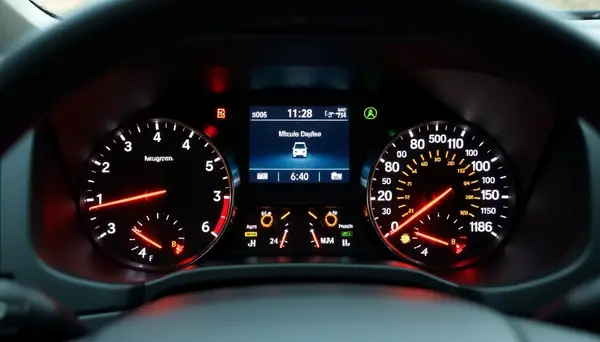
Ford vehicles come with an Intelligent Oil-Life Monitor that tracks engine oil condition actively. The system alerts drivers through the instrument cluster when they need an oil change. Several factors can reduce your service intervals: See Transit Custom PHEV
Short trips under 2 miles, city-centre driving below 30 mph, and high engine load conditions like fully loaded driving or trailer towing affect service frequency. The ‘Oil change required’ message means you should get service within 1,000 miles or one month. See Ford Transit Custom Electric
Your van performs best between services when you avoid long periods of engine idling. Vehicles that don’t get much use should run above 1,700 rpm for at least 15 minutes every week. See Ford Transit Custom Sport
Essential Service Tasks and Intervals
Your Ford Transit Custom needs regular maintenance tasks to stay in top condition. Let’s get into the basic service requirements that keep your van running smoothly. See Transit Custom MSRT for sale
Oil and philtre changes
The Ford Transit Custom’s Intelligent Oil-Life Monitor system tracks oil condition actively. Vehicles using synthetic oil need changes every 7,500 to 10,000 miles. You must replace the oil philtre with each oil change to keep proper filtration.
Brake system maintenance
Your van’s safety and reliability depend on brake maintenance. A detailed brake inspection has:
- Brake pad wear monitoring
- Disc condition assessment
- Calliper functionality checks
- Brake fluid level verification
The brake system works better with brake fluid changes at specific times. You should act quickly if you see the ‘Brake Pad Wear Service Now’ message. See Ford Transit Custom Camper
Fluid checks and top-ups
Your van performs best with regular fluid checks. The coolant level needs checking when the engine is cold completely. Keep it between the minimum and maximum marks on the expansion tank. You’ll find the power steering fluid reservoir on the engine compartment’s right side.
Tyre care and rotation
Good tyre maintenance will give a longer lifespan and even wear. Your Ford Transit Custom needs tyre rotation every 5,000 to 10,000 kilometres. Directional tyres should rotate front to back on the same side. Non-directional tyres can rotate in a cross pattern.
Your tyres need regular checks for cuts, foreign objects, and uneven tread wear to stay in good shape. Check tyre pressure every two weeks. Make sure all tyres, including the spare, match recommended levels.
Creating Your Custom Service Schedule
Your Ford Transit Custom service schedule becomes simple with Ford’s integrated monitoring systems. FordPass Connect helps you manage service timing and maintenance records right from your mobile device.
Setting up service reminders
The Intelligent Oil-Life Monitor shows the remaining oil life percentage and alerts you through the instrument cluster. You can create an effective reminder system by:
- Setting up FordPass notifications for service alerts
- Enabling oil life monitoring through vehicle settings
- Configuring time-based maintenance alerts
- Activating mileage-based service notifications
- Setting up brake wear indicators
The system sends two types of notifications – a planning alert 30 days before the service date and a final reminder 48 hours before scheduled maintenance.
Tracking maintenance costs
The Ford service portfolio that comes with your vehicle helps you track all maintenance expenses and service history. The FordPass system stores your complete service history digitally instead of manual records.
Digital service tracking helps protect your vehicle’s warranty entitlement and potential resale value. The system keeps track of:
- Oil change intervals and costs
- Brake system maintenance expenses
- Fluid replacement schedules
- Tyre rotation and replacement timing
Your van’s age doesn’t matter – detailed service records through Ford’s digital platform will give you notifications about outstanding service actions or recalls. Your FordPass account lets you access your complete maintenance schedule, warranty details, and service booking options.
DIY vs Professional Service Tasks
Your Ford Transit Custom needs both DIY care and professional expertise. You should know which tasks you can handle yourself and when to get professional help. This knowledge will help you maintain your van well and keep costs down.
Tasks you can do yourself
You can safely perform several maintenance tasks at home with simple mechanical knowledge and the right tools. Regular checks and replacements are easy to manage:
- Oil and philtre changes using a suction pump through the dipstick tube
- Tyre pressure monitoring and rotation
- Brake pad wear inspection
- Fluid level checks and top-ups
- Air philtre replacement
- Headlight bulb replacement
Ford gives you detailed service manuals and online guides to help with DIY maintenance. You should keep all records of DIY services, parts receipts, and service dates to protect your warranty.
When to visit a workshop
Some repairs need professional attention because they’re complex or need special equipment. Ford-trained technicians have specific diagnostic tools and access to the latest technical updates. Professional help is needed for:
The timing belt replacement needs engine support with a crane and multiple component removal. The diesel exhaust additive reservoir maintenance needs careful handling of connections and proper disposal. On top of that, electrical system diagnostics and power steering repairs require specialist equipment to find faults accurately.
Ford suggests using authorised workshops with model-specific tools and genuine Ford parts if your vehicle is under warranty. This way, you’ll have proper documentation of all service work and your warranty will stay valid.
Conclusion Ford Transit Custom Service Schedule
Keeping your Ford Transit Custom reliable and efficient depends on regular maintenance. You need to know which tasks require professional help and which you can handle yourself. This knowledge helps manage maintenance costs and ensures your van’s longevity.
A resilient maintenance strategy emerges from combining Ford’s digital tools with proper service documentation. We recommend using FordPass Connect features among traditional service records. This helps track your van’s maintenance history and upcoming service needs.
Your Transit Custom needs careful attention through regular fluid checks, timely oil changes, and proper tyre care. The right balance between budget-friendly solutions and professional care comes from working with authorised Ford workshops for complex repairs while handling simple maintenance yourself.
Note that prompt responses to warning messages and following recommended service intervals help prevent repairs from getting pricey later. Your Transit Custom will run smoothly for years when you follow this workshop-tested approach.
FAQs Ford Transit Custom Service Schedule
Q1. How frequently should I service my Ford Transit Custom? Ford recommends servicing your Transit Custom every 18,000 miles or 12 months, whichever comes first. However, this may vary depending on your vehicle’s usage and driving conditions.
Q2. When should I replace the timing belt on my Ford Transit Custom? It’s advisable to replace the timing belt between 80,000 to 90,000 miles, rather than waiting until 100,000 miles. This proactive approach helps prevent potential engine damage.
Q3. What’s the average lifespan of a Ford Transit Custom? With proper maintenance and care, a Ford Transit Custom can typically last for 250,000 miles or more. Regular servicing and addressing issues promptly can significantly extend its lifespan.
Q4. Can I perform any maintenance tasks on my Transit Custom myself? Yes, you can perform several tasks yourself, including oil and philtre changes, tyre pressure checks, fluid top-ups, and air philtre replacement. However, complex repairs should be left to professionals.
Q5. How does the Intelligent Oil-Life Monitor work in my Transit Custom? The Intelligent Oil-Life Monitor tracks your engine oil condition and alerts you through the instrument cluster when an oil change is necessary. It considers factors like driving habits and conditions to determine optimal change intervals.