
Custom van interiors have become increasingly popular among travel enthusiasts and adventurers. These personalized mobile spaces offer a unique blend of comfort, functionality, and style for those seeking to explore the world on their own terms. The art of designing custom vans to live in has evolved significantly, with countless ideas and accessories available to transform ordinary vehicles into extraordinary homes on wheels.
Creating the perfect custom van interior requires careful planning and consideration of various elements. From maximizing space and selecting durable materials to incorporating innovative lighting solutions and essential components, there’s much to explore in the realm of van customization. This article delves into the world of custom vans for travel, offering design ideas and inspiration to help readers craft their ideal mobile sanctuaries. Whether you’re looking to revamp your existing van or embark on a new conversion project, you’ll find valuable insights to guide your journey.
Planning Your Custom Van Interior
Planning a custom van interior or New Ford Transit Custom Interior is an exciting journey that requires careful consideration of various factors. This process allows individuals to create a personalized mobile space that caters to their specific needs and preferences. By taking the time to plan thoroughly, van enthusiasts can ensure that their custom interior not only looks great but also functions efficiently for their intended use.
Assessing Your Needs Custom Vans Interiors
The first step in planning a custom van interior is to assess one’s needs. This involves considering how the van will be used and what features are essential for the owner’s lifestyle. Some key questions to ponder include:
- How many people will be using the van regularly?
- Will the van be used for work, travel, or both?
- What activities will take place inside the van?
- Is there a need for specific storage solutions?
- Will the van be used in various weather conditions?
For those who work remotely, incorporating a comfortable workspace is crucial. This might include a dedicated table or desk area with proper lighting and power outlets. Outdoor enthusiasts may need to prioritize storage for gear such as surfboards, bicycles, or camping equipment.
Weather considerations play a significant role in interior design. For those traveling to cold or wet regions, the van should have adequate insulation and a comfortable indoor cooking area. City dwellers might opt for a more stealth-like exterior to blend in with urban environments.
Setting a Budget Custom Vans Interiors
Establishing a realistic budget is a critical aspect of planning a custom van interior. The budget will significantly influence the choices made throughout the build process. Here are some factors to consider:
- Vehicle purchase cost
- Materials for interior construction
- Appliances and fixtures
- Professional services (if required)
- Contingency funds for unexpected expenses
It’s important to note that a limited budget doesn’t mean compromising on quality or functionality. Many DIY van builders have created impressive interiors on modest budgets by being resourceful and prioritizing essential features. For those with more flexibility, higher-end materials and advanced systems can be incorporated to enhance comfort and convenience.
Choosing a Style
Selecting a style for the van interior is where creativity comes into play. This decision will guide the overall esthetic and atmosphere of the living space. Popular styles include:
- Minimalist: Clean lines, neutral colors, and multifunctional furniture
- Rustic: Wood accents, warm tones, and cozy textiles
- Modern: Sleek finishes, bold colors, and innovative storage solutions
- Bohemian: Eclectic patterns, vibrant colors, and unique decor items
When choosing a style, it’s helpful to gather inspiration from various sources. Social media platforms like Instagram and Pinterest offer a wealth of ideas for custom van interiors. Creating mood boards or saving images of designs that resonate can help in visualizing the desired outcome.
It’s worth noting that the chosen style should also align with practical considerations. For instance, light-colored interiors can make a small space feel larger, while darker tones may create a cozy atmosphere but could make the van feel more compact.
By thoroughly assessing needs, setting a realistic budget, and choosing a style that reflects personal taste, van enthusiasts can lay a solid foundation for their custom interior project. This planning phase sets the stage for a successful build that results in a functional and esthetically pleasing mobile living space.
Essential Components of a Van Interior
When designing a custom van interior, several key components are essential for creating a functional and comfortable living space. These elements work together to transform a basic vehicle into a home on wheels, catering to the needs of travelers and adventurers alike.
Sleeping Area
The sleeping area is a crucial component of any van interior. It serves as both a place to rest and a focal point for the overall design. Many van enthusiasts opt for a fixed platform bed, which offers several advantages. This configuration allows for ample storage space underneath, often referred to as the “garage.” The garage can accommodate various items such as sporting equipment, water tanks, and electrical systems.
When planning the sleeping area, it’s important to consider factors such as:
- Bed size and orientation
- Headroom for sitting up comfortably
- Access to storage underneath
- Convertibility for daytime use
Some van builders choose a layout with 2/3 of the bed fixed and 1/3 removable. This design allows the smaller piece to double as a sofa backrest during the day, maximizing the use of space. For those who enjoy morning rituals, designing the bed platform at a height that allows sitting up with a cup of tea can enhance the overall experience.
Kitchen and Dining
A well-designed kitchen is often the heart of a van interior. It provides the means to prepare meals, store food, and create a sense of home while on the road. Key elements of a van kitchen include:
- Countertop space for food preparation
- Cooking appliances (stove, oven, or portable options)
- Refrigeration
- Sink for washing and water access
- Storage for utensils, cookware, and food items
Popular kitchen layouts include galley-style, L-shaped, and U-shaped designs. The choice depends on the available space and personal preferences. Some van owners opt for innovative solutions like pull-out or slide-out kitchens, which can be accessed from outside the van, perfect for outdoor cooking enthusiasts.
For dining, many van interiors incorporate a multi-functional space that can serve as both a kitchen and eating area. Foldable or convertible tables are common, allowing for easy transitions between cooking and dining. Some designs feature a fixed table with bench seating that can be converted into additional sleeping space when needed.
Storage Solutions
Efficient storage is crucial in a van interior, where space is at a premium. Creative storage solutions can make a significant difference in the functionality and organization of the living area. Some popular storage ideas include:
- Overhead cabinets for lightweight items
- Under-bed storage drawers or compartments
- Vertical storage using wall-mounted organizers or nets
- Multi-functional furniture with built-in storage
- Slide-out pantries for food and kitchen supplies
Many van builders incorporate clever storage hacks, such as using mason jars for dry goods storage or installing magnetic knife racks to save counter space. Some even create hidden compartments for valuables or utilize the space above the cab (bulkhead) for additional storage.
By carefully considering these essential components – sleeping area, kitchen and dining, and storage solutions – van enthusiasts can create a functional and personalized interior that meets their specific needs and preferences. The key is to maximize the use of available space while ensuring comfort and practicality for life on the road.
Maximizing Space in Your Van
When living and traveling in a confined unit on wheels, optimizing every bit of available space is not just a nice-to-have – it’s a necessity. Every little thing needs to be multi-use or a thoughtful addition to the space. Let’s explore some innovative ways to maximize space in your van.
Multi-functional Furniture
One of the best ways to save space in a camper van is by incorporating multi-functional furniture. Convertible beds are an excellent example of this concept. They can serve as a dining table with storage underneath the bench seats during the day and transform into a comfortable sleeping space at night. Some van owners have even created DIY bed/table units that can be easily converted between “day mode” and “night mode.”
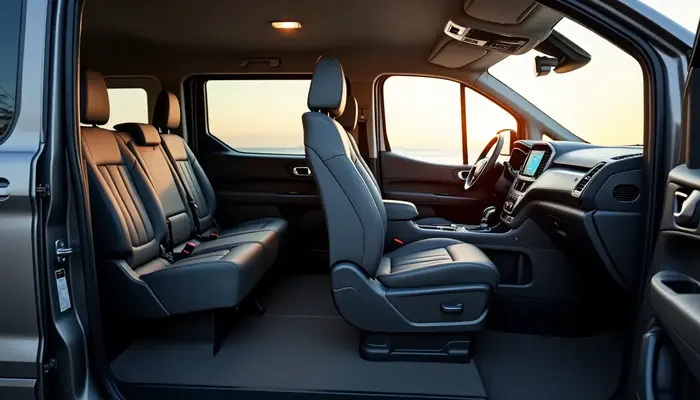
Another space-saving solution is to incorporate swivel seats. By converting the driver and passenger seats into swivel seats, you can integrate the driving cab into your living area, effectively expanding your usable space.
For those who want a large dining space, a seating area, and a fixed bed, consider a Happijac Bed Lift. This innovative system allows for a dining space under the bed, which can also function as storage for bikes or additional sleeping arrangements.
Clever Storage Hacks
Maximizing storage space in a van requires thinking outside the box and utilizing every nook and cranny. Here are some clever storage hacks:
- Underfloor Storage: Create pull-out drawers beneath your bed or seats for stashing away clothing, kitchen supplies, or outdoor gear.
- Wall Storage: Design secret compartments behind decorative panels to store books, electronics, or additional bedding.
- Hidden Floor Compartments: Install hidden compartments in the floor of your van to utilize every square inch of space.
- Mattress Storage: Create specific storage compartments under your mattress and between the supports.
- Mason Jar Storage: Use mason jars for dry storage in the kitchen. The lids can be screwed onto the bottom of kitchen cabinets, providing easy access to coffee, spices, flour, and sugar.
- Magnetic Knife Rack: Install a magnetic knife rack to keep knives organized and readily accessible while saving drawer space.
- Slide-out Pantry: Utilize narrow spaces by adding a slide-out pantry for food storage.
Fold-away Features Custom Vans Interiors
Fold-away features are crucial for maximizing space in a van. They allow you to have functional elements that can be tucked away when not in use. Here are some ideas:
- Butcher’s Block Sink Cover: Install a wooden block that covers your sink, creating additional counter space when needed.
- Swivel Tables: These tables can neatly tuck away when not in use and pull out when you need a desk or dining table.
- Slide-out Table: Install a long, flat piece of wood under your fixed platform bed on sliders. This table can be pulled out when needed and tucked away to keep the space open.
- Foldable Outdoor Gear: Use collapsible camping gear like buckets, saucepans, cups, bowls, storage containers, and even a collapsible kettle to save space in the kitchen.
By implementing these space-maximizing strategies, van dwellers can create a functional and comfortable living space, even in the confines of a vehicle. Remember, the key is to make every item serve multiple purposes and utilize every available inch of space creatively.
Selecting Materials for Durability and Style
When designing a custom van interior, selecting the right materials is crucial for both durability and style. The choices made will significantly impact the van’s esthetics, functionality, and longevity. This section explores various options for flooring, wall and ceiling materials, and upholstery choices that strike a balance between practicality and visual appeal.
Flooring Options Custom Vans Interiors
The floor of a van takes a considerable amount of wear and tear, making durability a top priority. Several options cater to different needs and preferences:
- Laminate Flooring: This option is popular among DIY enthusiasts due to its affordability, ease of installation, and variety of designs. It’s relatively lightweight and can mimic the appearance of hardwood without the associated weight and cost.
- Luxury Vinyl Plank (LVP): LVP has gained popularity for its waterproof properties, wood-like appearance, and simple click-lock installation. It’s more durable than laminate and can withstand moisture better, making it ideal for van life.
- Vinyl: Known for its thinness, lightweight nature, and strength, vinyl is another excellent choice. High-density vinyl flooring, such as those produced by Lonseal, offers various designs and colors.
- Vinyl Rubber: This material is particularly suitable for van garages or for those seeking an industrial look. It’s easy to install, waterproof, and highly resistant to wear and tear.
- Cork Flooring: While more expensive, cork offers unique benefits such as natural insulation, sound dampening, and antimicrobial properties. However, it requires regular maintenance and is prone to scratches.
When selecting flooring, consider factors such as moisture resistance, ease of cleaning, and visual appeal. A mixed-grain color can help conceal dirt and pet hair between cleanings.
Wall and Ceiling Materials Custom Vans Interiors
The choice of wall and ceiling materials significantly influences the van’s overall ambiance. Popular options include:
- Tongue and Groove Cedar Planks: Cedar provides a rustic, cabin-like feel and has natural properties that resist water damage and decay. It’s lightweight and a good insulator, making it an excellent choice for van interiors.
- Luan Plywood: This thin, lightweight plywood is ideal for ceilings. It’s cost-effective and can be left unfinished for a natural look or painted to brighten the space.
- Aluminum Composite Panel (ACP): Consisting of two thin aluminum sheets bonded to a non-aluminum core, ACP offers a sleek, modern look. It’s durable, easy to clean, and doesn’t require painting.
- Shiplap: This traditional wooden board provides a classic, rustic appearance and is relatively easy to install.
When choosing wall and ceiling materials, consider factors such as weight, insulation properties, and ease of installation. Many van builders opt for a combination of materials to achieve the desired look and functionality.
Upholstery Choices Custom Vans Interiors
Upholstery plays a crucial role in comfort and style within a van interior. Key considerations include:
- Durability: Choose fabrics that are hardwearing and stain-resistant to withstand the rigors of van life.
- Comfort: Select materials that feel comfortable against the skin, especially for seating and sleeping areas.
- Esthetics: Upholstery can add personality and color to the van’s interior, complementing the overall design.
- Maintenance: Opt for fabrics that are easy to clean and maintain on the road.
Some popular upholstery options include:
- Duramax Tweed: A durable fabric available in various colors, suitable for general upholstery in van interiors.
- Ravel and Carousel: These engineered fabrics feature Aquaclean™ Technology, making them easy to clean with just water. They also have antimicrobial properties.
When selecting upholstery, consider factors such as water resistance, flame retardancy, and antimicrobial properties. These features can enhance the longevity and safety of the van’s interior.
By carefully selecting materials for flooring, walls, ceilings, and upholstery, van owners can create a space that is both functional and esthetically pleasing, tailored to their specific needs and style preferences.
Lighting and Electrical Considerations
Proper lighting and electrical systems play a crucial role in creating a comfortable and functional custom van interior. These elements not only enhance the esthetics but also contribute to the overall functionality and efficiency of the living space.
Natural Light Sources Custom Vans Interiors
Natural light has a significant impact on the van’s interior ambiance and the well-being of its occupants. It helps regulate circadian rhythms and coordinates mental and physical systems. To maximize natural light in a van conversion:
- Install larger windows and doors strategically to allow light to enter at different times of the day.
- Consider adding roof lights or sun tunnels to bring in additional daylight.
- Use glass partitions instead of solid walls to allow light to move through the space more easily.
- Incorporate mirrors to reflect and multiply the available natural light.
For a softer, more diffused light, use flowy curtains or drapes to reduce glare and create a more natural ambiance. Window films can also be employed to mimic the effect of dappled light, creating interesting shadows and patterns inside the van.
Artificial Lighting Options Custom Vans Interiors
When natural light is insufficient, artificial lighting becomes essential. Here are some popular options for van interiors:
- LED Lights: Energy-efficient and cost-effective, LED lights are a top choice for modern van conversions. They produce little heat, last longer (up to 50,000 hours), and are available in dimmable and color-changing options.
- Recessed Lights: These space-saving fixtures can be installed directly in the ceiling or walls, providing ample illumination without taking up valuable headroom.
- Task Lighting: Essential for work surfaces, kitchens, and reading areas. LED strip lights with aluminum profiles work well for this purpose.
- Ambient Lighting: Fairy lights and other decorative options can create a cozy atmosphere and add personality to the space.
- Exterior Lighting: Consider adding light bars or LED strip lights to the van’s exterior for outdoor activities and improved visibility at campsites.
When selecting artificial lighting, consider the following factors:
- Color temperature: Choose between warm light (2000K-3000K) for a cozy feel or cool light (3100K-4500K) for a brighter, more energizing ambiance.
- Dimmer switches: These allow for better control over light intensity and power consumption.
- Portability: Include battery-powered lights as a backup option.
Power Systems Custom Vans Interiors
A well-designed electrical system is crucial for powering lighting and other devices in a custom van. Key components include:
- Battery Bank: Typically consisting of two parts – the factory starter battery for the vehicle’s systems and an auxiliary “house” battery for powering the van’s interior devices.
- Charge Sources: These add energy to the battery bank and may include:
- Solar panels
- Alternator charging
- Shore power connections
- Loads: These are the devices that draw power from the battery bank, such as lights, fans, and refrigerators.
When planning the electrical system, consider the following:
- Use 12V lights and switches to avoid running an inverter for lighting.
- Calculate power draw for each lighting fixture (e.g., 3 watts for recessed puck lights, 2.4-4.3 watts per foot for LED strip lights).
- Implement a comprehensive wiring diagram to ensure a safe and reliable system.
- Use appropriate overcurrent devices (fuses, breakers) and adequately sized wires.
By carefully considering both natural and artificial lighting options, along with a well-designed power system, van owners can create a comfortable, functional, and energy-efficient living space that meets their specific needs and preferences.
Conclusion Custom Vans Interiors
Custom van interiors offer a unique blend of creativity and functionality, allowing adventurers to craft their ideal mobile living spaces. From thoughtful planning and essential components to clever space-saving solutions and material choices, the art of van customization has a significant impact on the overall travel experience. The endless possibilities for personalization enable individuals to design interiors that perfectly match their lifestyles and preferences.
To wrap up, the world of custom van interiors continues to evolve, with new ideas and technologies shaping the future of mobile living. As more people embrace the freedom of van life, the demand for innovative designs and solutions is likely to grow. This ongoing evolution promises to bring about even more exciting developments in the realm of custom van interiors, making life on the road increasingly comfortable and enjoyable for enthusiasts worldwide.
FAQs Custom Vans Interiors
Currently, there are no frequently asked questions available related to the article “The Art of Custom Van Interiors: Design Ideas and Inspiration.” Please check back later for updates or further information.