Maintaining Ford Transit Custom Service Intervals
The Ford Transit Custom is a popular workhorse for businesses and individuals alike, making its proper maintenance crucial for longevity and reliability. Regular servicing is key to keeping this versatile van running smoothly and efficiently. Understanding the Ford Transit Custom lease service intervals and essential maintenance tasks can help owners avoid costly repairs and ensure optimal performance throughout the vehicle’s lifespan.
This guide delves into the vital aspects of maintaining a Ford Transit Custom, covering everything from engine care to electrical system upkeep. It explores the recommended service schedules, including oil changes, brake pad replacements, and tire maintenance. The article also sheds light on important components such as the battery, timing belt, and wet belt, providing insights on replacement intervals and costs. Additionally, it offers guidance on interpreting warning lights and maintaining headlight bulbs and wiper blades for safe driving. See all our Ford Transit Custom Vans for sale
Understanding Ford Transit Custom Service Intervals
The Ford Transit Custom Double Cab , a popular workhorse for businesses and individuals, requires regular maintenance to ensure optimal performance and longevity. Understanding the service intervals for this versatile van is crucial for owners to keep their vehicles running smoothly and efficiently. See all our Ford Van Lease Deals

Recommended Service Schedule Ford Transit Custom Service Intervals
Ford has established specific service intervals for the Transit Custom, which vary depending on the model year and engine type. Here’s a breakdown of the recommended service schedules:
| Model | Service Interval |
|---|---|
| Transit Custom 2012 2.2L Duratorq TDCi Euro 6 (03/2012-06/2016) | Every 30,000 miles or 24 months, whichever comes first |
| Transit Custom 2012 2.0L EcoBlue TDCi (08/2015-27/08/2018) | Every 36,000 miles or 24 months, whichever comes first |
| Transit Custom 2012 2.0L EcoBlue TDCi m/HEV Euro 6.2 (20/05/2019-) | Every 25,000 miles or 24 months, whichever comes first |
| Transit Custom 2012 2.0L EcoBlue TDCi Euro 6.1 / 6.2 (27/08/2018-) | Every 25,000 miles or 24 months, whichever comes first |
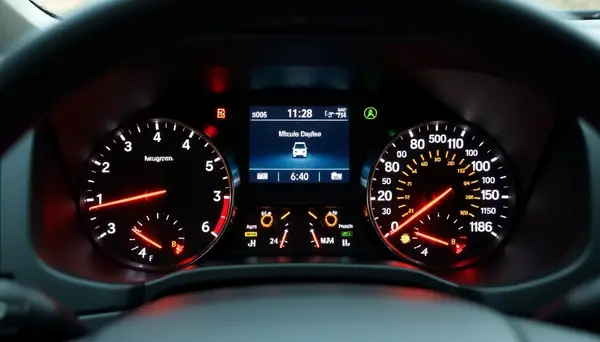
It’s important to note that these intervals serve as general guidelines. The actual service needs of a vehicle may vary based on driving conditions and usage patterns. Ford has implemented an Intelligent Oil-Life Monitor (IOLM) in their vehicles to help owners determine when an oil change is necessary. This system monitors the engine oil and alerts the driver with a message in the instrument cluster when it’s time for a change.
To maximize the time between oil changes, Ford recommends:
- Avoiding leaving the engine running when stationary
- Running the engine above 1,700 rpm for at least 15 minutes every week if the vehicle isn’t used regularly
If the “oil change required” message appears, owners should contact their local Ford dealer within 1,000 miles or 1 month, whichever occurs first. Failing to change the oil as recommended can lead to premature engine wear, damage, or even failure.

Importance of Regular Maintenance Ford Transit Custom Service Intervals
Regular servicing is crucial for the Ford Transit Custom, especially considering its role in many businesses’ daily operations. Here’s why adhering to the recommended service intervals is so important:
- Reliability: Vans often travel long distances and carry heavy loads, putting extra strain on the engine and components. Regular servicing helps identify and address minor issues before they turn into major breakdowns, ensuring the van remains reliable and minimizing the risk of unexpected downtime.
- Cost-effectiveness: Catching small problems early through servicing prevents them from developing into expensive repairs later. Additionally, a well-maintained van runs more efficiently, which can lead to better fuel economy and lower operating costs.
- Safety: Regular servicing ensures all safety-critical components of the van, such as brakes, tires, and lights, are in top condition. This protects not only the driver and passengers but also other road users.
- Value retention: A well-maintained Transit Custom with a documented service history will command a higher price when it’s time to sell. Skipping services can potentially decrease the resale value of the van.
- Warranty protection: Regular scheduled servicing helps protect the vehicle manufacturer warranty, giving owners peace of mind and potentially saving them from costly repairs.
- Compliance: Depending on the location, there might be regulations requiring commercial vehicles to undergo regular servicing to maintain roadworthiness. Following the proper service schedule ensures the Transit Custom meets these requirements and avoids potential penalties.
By adhering to the recommended Ford Transit Custom service intervals and maintaining regular upkeep, owners can ensure their vehicles remain reliable, efficient, and valuable assets to their businesses or personal use.
Essential Maintenance Tasks
Oil and Filter Changes
Regular oil and filter changes are crucial for maintaining the health of a Ford Transit Custom’s engine. These routine tasks help reduce the risk of costly, unforeseen repairs and keep the vehicle performing at its best. Ford recommends adhering to specific service intervals for optimal results.
The Intelligent Oil-Life Monitor (IOLM) in Ford vehicles monitors the engine oil and alerts drivers when it’s time for a change. This system displays a message in the instrument cluster when an oil change is required. To maximize the time between oil changes, Ford suggests:
- Avoiding leaving the engine running when stationary
- Running the engine above 1,700 rpm for at least 15 minutes weekly if the vehicle isn’t used regularly
If the “oil change required” message appears, owners should contact their local Ford dealer within 1,000 miles or 1 month, whichever comes first. Failing to change the oil as recommended can lead to premature engine wear, damage, or even failure.
To maintain proper oil levels between changes, it’s advisable to check the dipstick at least every two weeks and before long journeys. High oil consumption may indicate engine problems, so it’s essential to refer to the Owner Manual and Maintenance Schedule for specific information on when to schedule the next oil change.

Brake System Checks Ford Transit Custom Service Intervals
Ensuring the proper functioning of the brake system is vital for safe driving. Regular brake system checks help identify potential issues before they become serious problems. These checks should include inspections of brake pads, rotors, calipers, and brake fluid levels.
If a Ford Transit Custom displays a “Check Brake System” message on the dashboard, it’s crucial to address the issue promptly. This warning can indicate various problems, from low brake fluid levels to more severe issues with the brake system components.
In some cases, brake system warnings may be accompanied by starting issues. If the van won’t start and displays a brake system message, it could be related to:
- Battery issues
- Starter motor problems
- Fuse connections
- Vacuum leaks or brake booster problems
- Neutral safety switch malfunction
If these issues persist, it’s best to consult a mechanic or dealership for further diagnosis and repair.
Tire Rotations and Inspections
Regular tire rotations and inspections are essential for maintaining the Ford Transit Custom’s handling, stability, and fuel efficiency. Proper tire maintenance also enhances safety on the road. Ford recommends rotating tires every 6,000 miles to ensure even wear and extend their lifespan.
The method of rotating tires depends on whether they are directional or non-directional:
- Directional tires: These have an arrow on the sidewall indicating the correct rotation direction. They should only be rotated front to back on the same side of the vehicle.
- Non-directional tires: These can be rotated in a cross pattern, moving front tires to the opposite rear positions and rear tires to the opposite front positions.
When rotating tires, it’s important to change the position of the wheels without disassembling the wheel itself. This process helps distribute wear evenly across all four tires, potentially increasing their overall lifespan.
Regular tire inspections should be conducted alongside rotations. If uneven tire wear is noticed, it may indicate the need for tire rotation, as well as alignment and balance checks. These inspections can help identify potential issues early, preventing more serious problems down the road.
Engine Care and Performance
Proper engine care and maintenance are crucial for ensuring optimal performance and longevity of the Ford Transit Custom. This section covers essential tasks that owners should perform regularly to keep their vehicle’s engine running smoothly.
Air Filter Replacement Ford Transit Custom Service Intervals
The air filter plays a vital role in protecting the engine from harmful debris and contaminants. Regular replacement of the air filter helps maintain engine efficiency and fuel economy. While the provided information does not specify the exact replacement interval for the Ford Transit Custom’s air filter, it’s generally recommended to replace it every 15,000 to 30,000 miles, depending on driving conditions. Owners should consult their vehicle’s manual or a Ford dealer for the specific replacement schedule. The electric Ford Transit Custom does not require this of course.
Spark Plug Maintenance
Spark plugs are essential components of the engine’s ignition system. Proper maintenance of spark plugs ensures optimal engine performance and fuel efficiency. Ford recommends checking spark plugs at specific service intervals, which may vary depending on the vehicle model and year. Owners should consult their local Ford dealership to learn about the recommended service intervals for their Transit Custom’s spark plugs.
If spark plug replacement is necessary, follow these six steps:
- Ensure the engine is off and cold before beginning the replacement process.
- Use a spark plug wrench, which is longer than regular wrenches and may be more flexible for hard-to-reach places.
- Mark the spark plug wires to avoid mixing them up, as the ignition process follows a specific sequence.
- Disconnect the spark plug wires by hand.
- Use the spark plug wrench to turn anti-clockwise and remove the old spark plugs. Be careful not to let any dirt enter the cylinder holes.
- Install the new spark plugs by turning them clockwise. Tighten them until they are fully seated, but avoid over-tightening.
When tightening the new spark plugs:
- For spark plugs with a flat seat (with a washer), tighten an extra ½ turn after they are fully seated.
- For spark plugs with a tapered seat, tighten an extra ⅛ turn after they are fully seated.
After installation, reconnect the wires in the same order they were originally connected. If the engine doesn’t start properly after replacement, double-check that the wires are connected in the correct order.
Fuel System Cleaning Ford Transit Custom Service Intervals
Regular fuel system cleaning helps maintain engine performance and fuel efficiency. While the provided information doesn’t specifically address fuel system cleaning for the Ford Transit Custom, it’s generally recommended to perform this maintenance task every 30,000 to 60,000 miles. Fuel system cleaning can help remove deposits from fuel injectors, intake valves, and combustion chambers, which can accumulate over time and affect engine performance.
Owners can use fuel system cleaners available at auto parts stores or have the service performed by a professional mechanic. For specific recommendations on fuel system cleaning for the Ford Transit Custom, it’s best to consult the vehicle’s manual or speak with a Ford dealer.
By following these engine care and maintenance practices, Ford Transit Custom owners can help ensure their vehicle’s engine performs optimally and maintains its efficiency over time. Regular servicing and adherence to the manufacturer’s recommended maintenance schedule are key to prolonging the life of the engine and avoiding costly repairs.
Transmission and Drivetrain Maintenance
Fluid Checks and Changes
Maintaining proper fluid levels is crucial for the optimal performance and longevity of a Ford Transit Custom’s transmission and drivetrain. Regular checks and changes of these fluids are essential maintenance tasks that owners should perform.
One of the most important fluids to monitor is the engine oil. To check the oil level:
- Park the vehicle on flat ground for an accurate reading.
- Ensure the handbrake is engaged and the ignition is off.
- Wait approximately 10 minutes for the engine to cool down.
- Open the bonnet and locate the dipstick in the engine bay.
- Pull out the dipstick and wipe it clean with a lint-free cloth.
- Reinsert the dipstick fully, then remove it again to check the oil level.
- The oil level should be between the minimum and maximum marks on the dipstick.
If the oil level is low, it’s necessary to top it up immediately. To do this:
- Locate the oil filler cap, marked with the same symbol as on the dashboard.
- Unscrew the cap and use a funnel to slowly pour in the correct type of engine oil.
- Check the level frequently with the dipstick to avoid overfilling.
- Once the correct level is reached, securely replace the filler cap and close the bonnet.
It’s advisable to keep some oil in the vehicle’s boot or at home for emergencies. If the dashboard displays a low oil warning symbol, it’s crucial to stop safely and check the oil level as soon as possible.
Clutch Inspections Ford Transit Custom Service Intervals
The clutch is a vital component of the Ford Transit Custom’s drivetrain, and regular inspections are necessary to ensure its proper functioning. Ford recommends changing the Clutch Kit every 100,000 km, but more frequent inspections can help identify potential issues before they become serious problems.
Key components of the clutch system that require attention include:
- Clutch Plate
- Clutch Release Bearing
- Clutch Slave Cylinder
- Clutch Master Cylinder
- Clutch Cable
While some clutch maintenance tasks can be performed by experienced DIY enthusiasts, it’s often best to have a professional mechanic handle complex repairs or replacements. However, owners can be proactive by being aware of signs that indicate potential clutch problems, such as:
- Difficulty shifting gears
- Unusual noises when pressing the clutch pedal
- A soft or spongy clutch pedal
- Clutch slippage (engine revs increase without a corresponding increase in speed)
If any of these symptoms are noticed, it’s advisable to have the clutch system inspected by a qualified technician. They can perform a thorough examination and determine if any components need replacement or adjustment.
For those who are comfortable with more advanced maintenance tasks, there are step-by-step guides available for changing various clutch components. These include:
- Changing the Clutch Cable
- Replacing the Clutch Slave Cylinder
- Replacing the Clutch Master Cylinder
- Changing the Clutch Plate
- Replacing the Clutch Release Bearing
However, it’s important to note that these tasks often require specialized tools and expertise. Improper installation or adjustment can lead to further damage or safety issues. Therefore, unless one has significant experience with automotive repairs, it’s generally recommended to leave clutch replacements and major repairs to professional mechanics.
By staying vigilant with fluid checks and clutch inspections, Ford Transit Custom owners can help ensure their vehicle’s transmission and drivetrain remain in optimal condition, potentially avoiding costly repairs and extending the life of these critical components.
Electrical System Upkeep Ford Transit Custom Service Intervals
Battery Maintenance
Proper battery maintenance is crucial for the reliable operation of a Ford Transit Custom. Regular checks and upkeep can prevent unexpected breakdowns and extend the battery’s lifespan. Owners should inspect the battery terminals for corrosion and ensure they are clean and tight. If corrosion is present, it can be cleaned using a mixture of baking soda and water, followed by a thorough rinse with clean water.
It’s also important to check the battery’s charge level periodically. This can be done using a multimeter or by visiting a local auto parts store, where many offer free battery testing services. If the battery’s charge is consistently low, it may indicate a problem with the charging system or the battery itself.
For optimal performance, the battery should be kept secure in its mounting bracket to prevent vibration damage. Additionally, owners should be aware of their battery’s age, as most car batteries typically last between three to five years, depending on usage and environmental conditions.
Alternator and Starter Checks
The alternator and starter are vital components of the Ford Transit Custom’s electrical system. Regular checks can help identify potential issues before they lead to vehicle failure.
To check the alternator:
- Start the engine and let it idle.
- Use a multimeter to measure the voltage across the battery terminals.
- A properly functioning alternator should produce a reading between 13.8 and 14.2 volts.
- If the reading is significantly lower or higher, it may indicate an alternator problem.
Signs of a failing alternator include:
- Dimming or flickering lights
- Battery warning light on the dashboard
- Unusual noises from the engine bay
- Difficulty starting the vehicle
For the starter, owners should be alert to the following symptoms of potential issues:
- Grinding noises when starting the engine
- Slow cranking
- Clicking sounds when turning the key
- The engine failing to turn over
If any of these symptoms are present, it’s advisable to have the starter inspected by a qualified mechanic. They can perform more thorough tests to determine if the starter needs repair or replacement.
Regular maintenance of the electrical system can help prevent unexpected breakdowns and ensure the Ford Transit Custom remains reliable for daily use. While some basic checks can be performed by owners, it’s often best to have a professional mechanic conduct a comprehensive inspection of the electrical system during routine service intervals.
By staying proactive with electrical system upkeep, Ford Transit Custom owners can minimize the risk of electrical failures and maintain their vehicle’s performance and reliability. Regular checks and timely repairs or replacements of electrical components can save time and money in the long run, preventing more serious issues from developing.
Conclusion
Maintaining a Ford Transit Custom is crucial to ensure its longevity and reliability. Regular servicing, including oil changes, brake checks, and tire rotations, has a significant impact on the vehicle’s performance and safety. By sticking to the recommended service intervals and staying on top of essential maintenance tasks, owners can keep their vans running smoothly and avoid costly repairs down the line.
To wrap up, proper care of the engine, transmission, and electrical systems is key to maximizing the Transit Custom’s lifespan. Paying attention to warning signs and addressing issues promptly can prevent minor problems from turning into major headaches. By following these maintenance tips, Ford Transit Custom owners can enjoy a dependable and efficient vehicle for years to come. Source
FAQs Ford Transit Custom Service Intervals
1. What is the recommended service frequency for a Ford Transit Custom?
The Ford Transit Custom should typically be serviced every 18,000 miles or every two years, whichever comes first. It is also advisable to conduct an annual oil check and filter change to ensure the longevity of the vehicle.
2. What is the cost of a comprehensive service for a Ford Transit Custom?
The cost of a full service for a Ford Transit Custom can vary depending on the service provider and the specific services included in the package.
3. How frequently should Ford vehicles in general be serviced?
Most Ford vehicles are recommended to have their first service at either 18,000 miles or after two years, depending on which milestone is reached first. Additionally, an annual oil and filter inspection and change is recommended to maintain the vehicle’s performance over time.
4. How often should the oil in a Ford Transit be changed?
For a Ford Transit Van, synthetic oil should generally be changed every 7,500 to 10,000 miles. If using conventional oil, Ford advises replacing the oil and filter every 3,000 to 5,000 miles.