How to Convert Your VW Van: A Step-by-Step Guide
You might be surprised to learn that camper van conversion costs can range from a modest £1,000 to an impressive £39,500. Your dream of turning a VW van into a cosy home on wheels is possible, regardless of your budget.
The Volkswagen Transporter makes the perfect base for your project. Its legendary durability and strong resale value set it apart from other vans. The T5 gives you a budget-friendly option to start with, while the T6 comes packed with modern features for those wanting premium comfort.
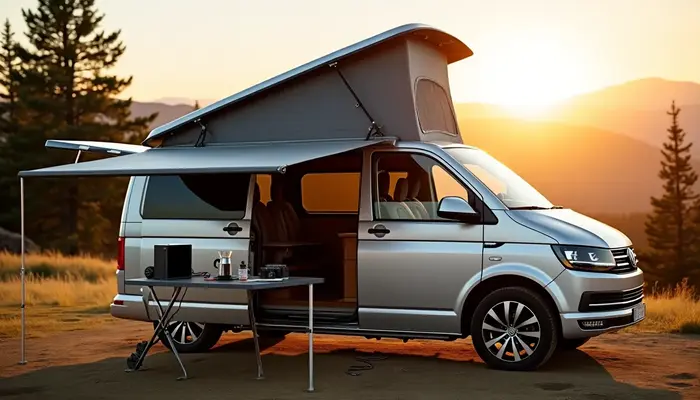
Starting a VW camper van conversion can seem daunting at first. We created this detailed guide to help you through each step. You’ll learn everything about planning, budgeting, choosing the right model, and adding essential features. Let’s turn your VW van into the perfect home away from home!

Planning Your Dream VW Camper Van
Your VW van conversion project needs careful planning as its foundation. Let’s explore how you can turn your vision into reality before you pick up any tools or order materials.
Define your van life goals
We shaped every aspect of the conversion around your van’s purpose. You should think over whether you’ll use it for weekend getaways, extended travels, or full-time living. Remote workers might need a dedicated workspace, while adventure enthusiasts often prioritise gear storage. The number of travellers – including pets – affects your sleeping arrangements and living space needs.
Set a realistic budget
A simple VW van conversion can cost between £5,000 and £15,000. Your budget should be distributed across these key components:
- Base vehicle: 75% of total budget for a reliable van
- Conversion materials: 25% for insulation, flooring, and basic amenities
You should set aside an extra 30% of your planned budget for unexpected expenses. Professional conversions of VW Transporters start from £17,226, which helps you measure DIY costs against professional services.
Choose between DIY vs professional help
Your skills, time, and budget determine whether to go DIY or professional. Professional conversions come with several benefits:
A professional team’s years of van-living experience ensures optimal design and functionality. These builds include warranty coverage and typically hold better resale value. Professional conversions can be completed in as little as 4 weeks.
DIY conversions give you complete control over the project and can substantially reduce costs. A hybrid approach might work best if you have limited time or specific needs – you can handle simpler tasks while experts take care of complex elements like electrical systems.
Key points to remember for both approaches:
- Safety regulations compliance
- Proper insurance coverage
- Quality workmanship to maintain resale value
Choosing the Right VW Van Model How to Convert Your VW Van
British van enthusiasts favour the Volkswagen Transporter for camper conversion because it holds its value well and delivers reliable performance.
Compare Transporter generations
The modern VW Transporter family features three notable generations. The T5 ruled the market from 2003 to 2016 and came with several engine choices including 2.0L petrol and multiple diesel variants. The T6 took over in 2016 and brought better features with more efficient engines.
The latest T6.1 hit the roads in 2019. This advanced version comes with:
- Better driver assistance systems including Park Assistant and Lane Assist
- Updated infotainment system with Virtual Cockpit option
- Improved LED lighting systems
- Electromechanical power steering
T6 models give you better comfort and safety features, while the T5 makes sense if you want reliable value without modern tech bells and whistles. The T6.1’s engine options range from 90bhp to 204bhp to match different power needs.
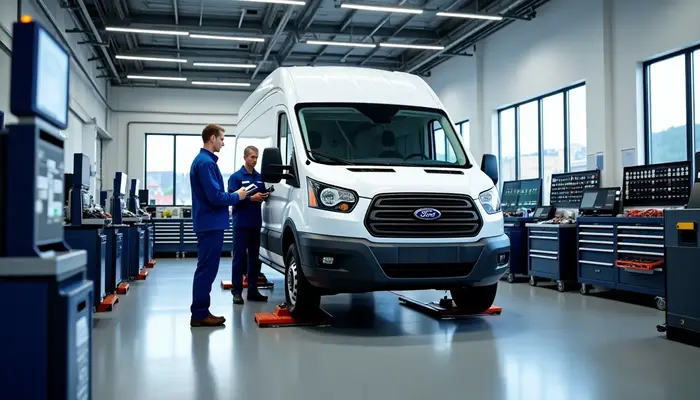
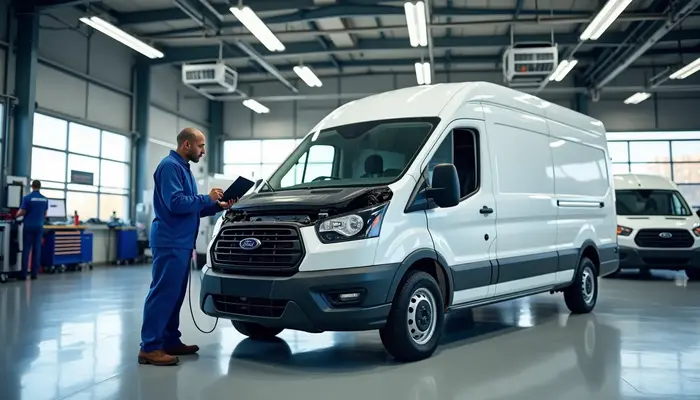
Assess van condition checklist How to Convert Your VW Van
You need a full picture of your volkswagen transporter before starting the conversion. Here’s what to look for:
- Service History Documentation
- Check complete service records
- Confirm regular maintenance
- Verify true mileage
- Physical Inspection Points
- Look at chassis condition, especially around wheel arches
- Check tyre wear patterns that might show crash damage
- Test drive to assess engine performance
- Check body panel alignment and paint matching
- Essential Checks
- Look through MOT certificates
- Validate V5C registration document
- Check previous accident history
The Kombi variant works great for camper van ideas with its side windows and removable rear seats. A basic panel van gives you a clean slate for customization. T6.1 models in Highline spec have lots of factory equipment that works well for conversions.
Note that a high-mileage van with good service history can be a solid choice. The Transporter fits in standard parking spots and clears most height barriers, making it perfect for daily drives and touring adventures.
Essential VW Van Conversion Ideas
Your VW van can become a cosy living space with smart planning that focuses on comfort and function. A good conversion plan makes the most of every centimetre and creates a comfortable space for daily life.
Layout planning basics
Smart ergonomic design is the life-blood of a great van conversion. You should follow these tested measurements instead of guessing dimensions:
- Kitchen counter height: 90 cm for comfortable food preparation
- Shelf placement: 1 metre above counters for easy access
- Walkway width: 60-70 cm to move around easily
- Bed height: 45-60 cm from floor for easy access and storage
A good layout needs to balance sleeping, cooking, and living areas. You should measure your van’s floor, walls, and roof carefully and note any curves or odd shapes that might affect where you put furniture.
Multi-purpose furniture solutions
The right furniture choices can make your limited space much more useful. The Lagun Swivel Table is a great example that gives you a flexible surface you can tuck away when not using it. A slide-out table under a fixed platform bed works great for both work and dining without taking away from your sleeping space.
Hollow bench seats serve two purposes at once. These smart units give you comfortable seating and lots of storage space for clothes, batteries, or even refrigeration systems. A rock-and-roll bed system adds more value by creating a comfy seating area during the day that turns into a full-sized bed at night.
Storage optimisation tips How to Convert Your VW Van
Good storage solutions turn a messy van into an organised living space. A slide-out pantry works great in narrow spaces and makes it easy to reach your dry goods. Overhead storage units use vertical space well and keep your main living area clear.
The garage area at the back offers plenty of room for bigger items like sports gear, water tanks, and electrical systems. A fixed platform bed design creates valuable storage space underneath.
Here are some extra storage ideas:
- Magnetic strips under cabinets hold mugs
- Compression bags store bedding and clothes
- Cargo nets keep lightweight items secure
Modular storage systems adapt to your needs and work best for organisation. These systems let you arrange things flexibly as your needs change. Just make sure all storage has secure latches to keep items from moving while driving.
Building Your Living Space
Quality insulation and electrical systems are the foundations of a successful VW van conversion. These core elements will determine how comfortable you’ll be and how well your van works year-round.
Insulation and ventilation
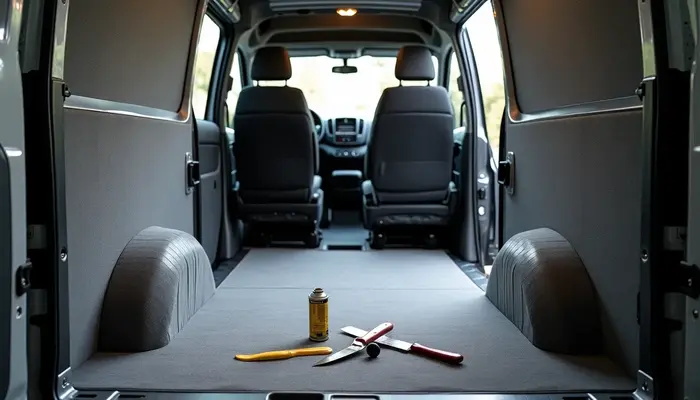
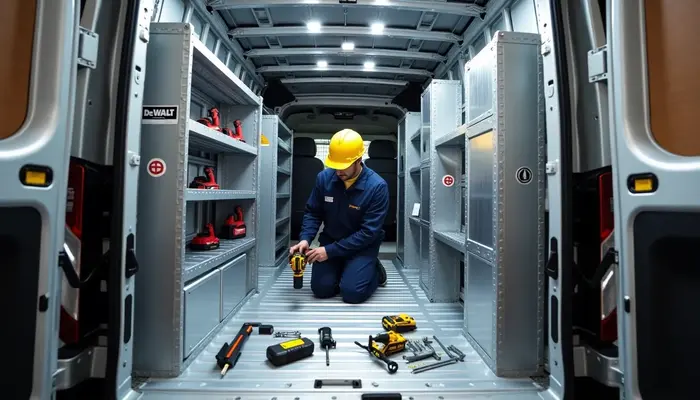
Your comfort starts with choosing the right insulation materials. Kingspan and Celotex insulation boards with silver foil casing reflect heat back into your living space. These boards excel in larger areas, while glass mineral wool works best to fill smaller spaces and tricky corners.
A detailed insulation plan should have:
- ThermaWrap as the base layer, applied with spray adhesive
- Sound deadening material on the metal floor
- Expanding foam to fill gaps
- Aluminium tape to seal joints
Good ventilation plays a vital role to keep air fresh and prevent condensation. Poor airflow leads to condensation issues and trapped heat and water vapour. Ventilation helps regulate the climate inside, reduces stuffiness, and helps curb odours.
The best results come from using both passive and active ventilation systems together. Passive ventilation uses natural air currents, while active ventilation runs continuously with proper power. A roof fan with built-in rain shield lets you keep the air flowing even when it rains.
Electrical system setup
The electrical system might seem complex, but it follows a simple principle: you need charge sources, a battery bank, and loads. A full system typically has:
- Power Sources
- Solar panels for eco-friendly energy
- Split charging from alternator
- Shore power connection
- Storage Components
- Leisure batteries (200Ah lithium recommended)
- Battery monitor to track health
- Terminal fuse (250A) for protection
You’ll need two different setups: 12V DC for most campervan appliances and 110V/230V AC for mains devices. A power inverter lets you use household appliances by converting 12V DC to 230V AC.
Safety comes first – install overcurrent devices like fuses and breakers. Wire size matters too – higher current needs thicker cables. Grounding the electrical system protects against damage and potential fire hazards.
Creating Your Perfect Kitchen How to Convert Your VW Van
The kitchen is the heart of any volkswagen transporter conversion. A good mix of functionality and smart space use can turn your van into a comfortable living space.
Space-saving kitchen designs
The quickest way to convert a VW camper van is to use kitchen layouts that make the most of every centimetre. L-shaped designs work great and give you plenty of workspace while keeping walkways clear. Slimline kitchens are perfect for small spaces – their reduced depth units keep your walkways open.
Kitchen units made from quality 15mm light ply last long without adding too much weight. Modern camper kitchens now come with smart features like:
- Soft-close hinges that cut down noise
- Precision-cut components that fit perfectly
- Secure camlock assembly systems
- Different laminate finishes to match your style
Sliding kitchens have grown more popular because they’re so versatile. These units tuck away smoothly into cabinets when you don’t need them, which gives you more living space. Wire drawer systems use the empty space under units – they keep weight low and give you extra storage.
Melamine crockery works best for van life because it’s light, tough, and won’t break. You can also try bamboo alternatives that are eco-friendly, dishwasher-safe and really durable.
Water system installation
Your camper kitchen needs a well-designed water system to work properly. You’ll want to think about tank size and where to put it. A 70-litre fresh water tank usually lasts two people about 1.5 weeks if they use it carefully.
Fresh water tanks need smart placement. Putting them under the floor saves space inside, but keeping tanks in the van stops them from freezing in cold weather. Wheel well water tanks are a clever solution – they save space and lower the centre of gravity.
The main parts of a water system are:
- Pressure-activated pump (55 PSI shut-off)
- Accumulator to keep water flow steady
- Strainer that blocks debris
- Flexible pipes that reduce vibration
PEX tubing is the best choice for plumbing because it resists freezing and handles high temperatures well. You can cut, connect, and route it easily, with a minimum 5-inch bend radius for 1/2-inch pipes.
A portable 4-gallon container is enough for daily grey water. Quick-disconnect systems make emptying easy, and through-floor drainage works well where allowed.
Your sink choice matters a lot. Foldable sinks with built-in workspace covers help you use your counter space better. A soap dispenser installed right through the countertop keeps things tidy and within reach.
The kitchen tap should sit about 90cm off the floor. This height makes food prep comfortable and lets you reach storage spaces above. Good seals around water connections stop leaks and help everything last longer.
Making Your Van Comfortable
Comfort makes all the difference between a simple van and a welcoming home on wheels. Your Volkswagen transporter becomes a cosy living space with the right beds, seating, and climate control.
Bed and seating options
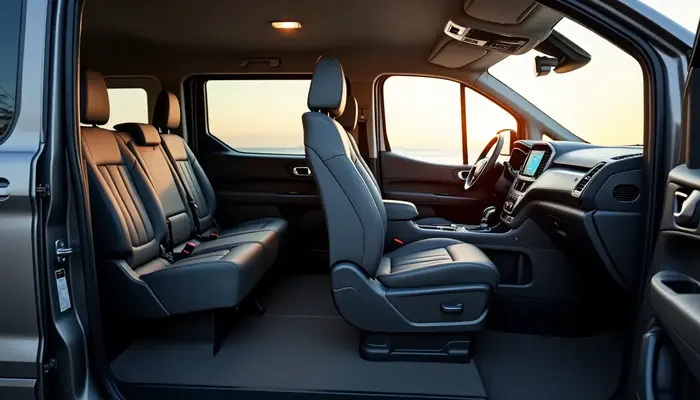
The RIB bed system is a top choice for VW camper van conversions because it’s flexible and safe. These beds come with adjustable headrests, multi-position backrests, and ISOFIX points for child car seats. You can sleep on the back while sitting on the front thanks to their smart design. This helps the surfaces wear evenly.
Rock’N’Roll beds give you a more affordable option. M1 crash-tested versions cost between £1,500 and £4,000. They use a three-part design that switches from seats to a flat bed. All the same, they only work in up or down positions, which limits their use compared to pricier options.
The Reimo bed system works great for multiple uses with its sliding floor rail setup. People love it because it has:
- Moveable headrests that boost comfort
- Three belted seats to keep passengers safe
- Positions you can adjust for work and fun
- High-quality upholstery choices
A 3D mattress overlay will make sleeping more comfortable. Its ISO 3D network structure lets heat escape through the sides and stops moisture buildup. The overlay keeps temperature steady all night with its orthopaedic cushioning.
Lighting and temperature control
Good lighting changes how your VW camper feels inside. LED lights work best since they run on 12V systems and last about 50,000 hours. Different types of lights placed strategically create separate areas in your van.
Wired campervan lights last longer and work better. You should install these before finishing the ceiling and roof to hide the wires and get a clean look. Lights with frosted glass diffusers spread light evenly without harsh spots.
Staying comfortable year-round means getting temperature control right. Eberspacher and Webasto heaters help a lot in cold weather. These night heaters work without the engine and give you:
- Long-lasting performance you can trust
- A design that saves space
- Quiet heating while you sleep
- Choice of petrol or diesel models
The best climate control combines heating with good airflow. Diesel or gas heaters use less energy than electric ones. These systems can run without draining your leisure batteries, so you stay warm reliably.
Strip lighting works well as extra light but isn’t bright enough to be your main source. Motion sensor lights near doors and waterproof fixtures in shower areas add practical value. Battery-powered lights you can charge by USB light up outdoor activities nicely.
Conclusion
Creating your dream camper from a VW van takes solid planning and dedication. Every component matters – from picking the right model to adding comfort features. These elements shape your perfect home on wheels.
Good research and detailed planning should come before any conversion work begins. Your budget will help you decide between DIY and professional help, material selections, and key features.
Quality insulation, electrical systems, and water management are the foundations of a successful conversion. Smart storage solutions and multi-purpose furniture work with these technical aspects to create a practical living space.
Your VW camper needs to match your lifestyle and meet your specific needs. You might want a simple weekend setup or a fully equipped living space. Either way, quality materials and proper installation will ensure comfort and reliability.
A good VW van conversion gives you the freedom to explore with all the comforts of home. You can start this trip confidently and create your perfect mobile sanctuary.