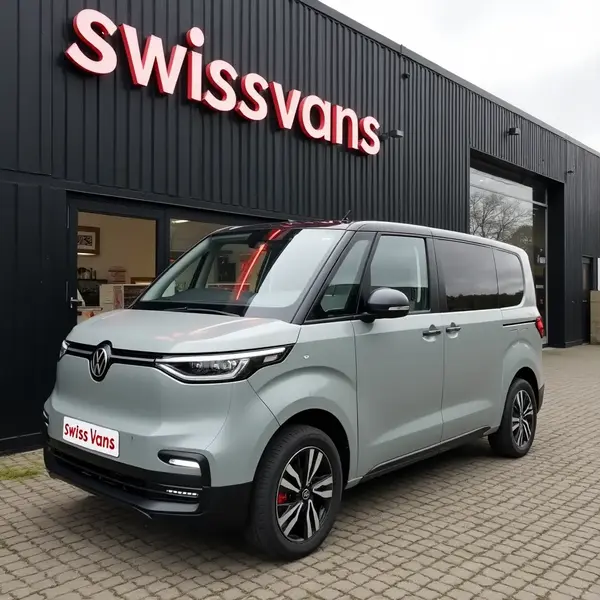
The surge in demand for used electric vans is transforming the landscape of sustainable business transportation. As companies seek to reduce their carbon footprint and operational costs, these vehicles offer a compelling solution. Used electric vans for sale in the UK, from London to Scotland, are becoming increasingly popular among businesses looking to make a cost-effective transition to greener operations.
This article explores the benefits of buying used electric vans and their impact on sustainable business practices. It delves into the cost savings and return on investment, examines performance and range considerations, and discusses maintenance and reliability factors. Additionally, it highlights the environmental advantages of adopting used electric vans, providing insights for businesses considering this budget-friendly path to eco-conscious transportation.
The Rise of Used Electric Vans
The used electric van market has experienced significant growth in recent years, driven by increasing environmental awareness, cost-saving opportunities, and government incentives. This surge in popularity has transformed the landscape of sustainable business transportation, offering companies a budget-friendly path to reduce their carbon footprint and operational costs.
Benefits of Electric Vans
Electric vans offer numerous advantages for businesses seeking to adopt more sustainable practices:
- Lower Running Costs: Charging an electric vehicle costs a fraction of traditional fuel expenses, resulting in significant savings over time.
- Environmental Impact: According to EDF Energy, one electric car can save approximately 1.5 million grams of CO2, making a substantial contribution to reducing carbon emissions.
- Tax Benefits: Business owners can enjoy various tax incentives for owning electric vans, including lower benefit-in-kind rates and exemptions from certain charges.
- Congestion Charge Savings: In cities like London, electric vehicle owners are exempt from congestion charges, saving £15 a day until December 2025. Similar low emission zones exist in Birmingham, Manchester, Bristol, Bath, and Oxford.
- Fuel Duty and Vehicle Excise Duty Exemptions: Electric vehicle owners are exempt from these charges, further reducing operational costs.
Popular Used Electric Van Models
The market for used electric vans has expanded, offering a variety of options for businesses:
- Volkswagen ID.Buzz Cargo: Boasting a retro charm and up to 256 miles of range, it’s a popular choice for businesses seeking style and efficiency.
- Ford E-Transit: With up to 196 miles of range and no reduction in cargo space compared to its diesel counterpart, it’s a versatile option for various business needs.
- Renault Kangoo E-Tech: Building on the success of its predecessor, this model offers improved range and functionality.
- Citroen e-Berlingo, Peugeot e-Partner, Toyota Proace City Electric, and Vauxhall Combo Electric: These models share similar underpinnings and offer up to 171 miles of range.
- Mercedes eSprinter and eVito: These vans cater to different cargo volume needs, with the eSprinter offering up to 248 miles of range with its updated battery.
Market Trends
The used electric van market has shown remarkable growth and evolution:
- Rapid Market Expansion: The UK used car market grew by 4.1% in Q2 2023, with sales of used battery electric vehicles (BEVs) increasing by 81.8%, accounting for a 1.7% market share.
- Supply Outpacing Demand: Used EV supply increased by 174% year-on-year, while demand grew by 6%, indicating a maturing market with more options for buyers.
- Influx of Off-Lease Vehicles: As finance and leasing terms for new electric cars purchased three or more years ago end, there’s been a significant increase in the supply of used electric vans.
- Price Adjustments: Some pre-owned models have seen substantial price reductions, with vehicles like the Jaguar I-PACE, Mercedes EQC, and Tesla Model X now priced more than £20,000 lower than in summer 2022.
- Growing Consumer Interest: Data from HPI indicates that used EVs are gaining appeal, with over 41,500 used BEVs changing hands in the first quarter of 2024 alone.
As the market for used electric vans continues to evolve, businesses have an increasing array of options to choose from, allowing them to balance their sustainability goals with budget considerations. The rise of used electric vans represents a significant shift towards more environmentally friendly and cost-effective business transportation solutions.
Cost Savings and ROI
Initial Purchase Costs
The initial outlay for used electric vans is often higher compared to their diesel or petrol counterparts. However, this upfront cost should be viewed as an investment in long-term savings. Small electric vans, such as the Renault Kangoo electric model, can be acquired for just under £20,000. While this may seem steep, it’s essential to consider the overall financial benefits that come with electric vehicle ownership.
Operational Expenses
The operational costs of used electric vans offer significant advantages over traditional internal combustion engine (ICE) vehicles:
- Fuel Savings: Charging an electric van is substantially cheaper than filling up a diesel or petrol tank. For instance, charging a van with a 45 kWh battery costs approximately £16 for a full charge. In comparison, filling a diesel Renault Kangoo’s 54-liter tank costs around £89.64, resulting in savings of £73.64 per full charge/tank.
- Cost per Mile: Electric vans are more economical to run, with the Kangoo electric costing about 8p per mile compared to 15p per mile for its diesel equivalent. This translates to a 7p per mile saving.
- Maintenance Costs: Electric vans have fewer moving parts than ICE vehicles, leading to reduced maintenance expenses. The average full electric vehicle service costs £143.75, compared to £174.23 for petrol or diesel variants, saving owners over £30 annually on servicing alone.
- Road Tax Exemption: Battery electric vehicles (BEVs) are entirely exempt from road tax, offering additional savings.
- Regenerative Braking: Electric vans, such as the Maxus commercial electric van, generate electricity during braking, further enhancing energy efficiency.
- Lower Insurance Costs: The average electric vehicle insurance is £654 per year, which may be lower than traditional van insurance depending on individual circumstances.
- MOT Costs: The maximum charge for an MOT is currently £54.85 for vehicles up to 3 tons, which applies to both electric and ICE vans.
Government Incentives
The UK government offers various incentives to encourage the adoption of electric vans:
- Plug-in Van Grant: This grant provides a discount on the purchase price of eligible electric vans. The grant is automatically applied by the seller, making the process seamless for buyers. Several models, including the Maxus eDeliver 3 and eDeliver 9 ranges, are eligible for this grant.
- EV Infrastructure Grant: Small-to-medium-sized businesses can benefit from this grant to install electric vehicle charging infrastructure in their commercial car parks. The grant covers 75% of the cost of the work, up to a maximum of £15,000.
- Workplace Charging Scheme (WCS): This scheme offers additional support for businesses installing charging points.
- Chargepoint Installation Incentives: EV owners can claim up to £350 off the total cost of purchasing and installing a new EV ChargePoint at their home address.
- Tax Benefits: Business owners enjoy various tax incentives for owning electric vans, including lower benefit-in-kind rates and exemptions from certain charges.
- Congestion Charge Exemptions: In cities like London, electric vehicle owners are exempt from congestion charges, saving £15 a day until December 2025.
- Future Considerations: While Vehicle Excise Duty (VED) exemption for electric vehicles will end in April 2025, the government continues to support the transition to electric vehicles through various other incentives.
By considering these cost savings and government incentives, businesses can make an informed decision about investing in used electric vans. While the initial purchase price may be higher, the long-term operational savings and environmental benefits make electric vans an increasingly attractive option for sustainable business transportation.
Performance and Range
The performance and range of used electric vans have significantly improved in recent years, making them a viable option for businesses seeking sustainable transportation solutions. As technology advances, these vehicles are becoming more efficient and capable of meeting the demands of various industries.
Battery Life and Charging
Electric vans now offer impressive battery ranges, with some models capable of traveling up to 256 miles on a single charge. The Volkswagen ID.Buzz Cargo, for instance, boasts the highest range on the market, providing businesses with the flexibility to cover longer distances without frequent charging stops.
Charging times have also become more convenient, with rapid charging options available for many models. For example, the Ford E-Transit can be charged from 15 to 80 percent in just 34 minutes using a 115kW charger. This quick charging capability allows businesses to minimize downtime and maximize productivity.
Most drivers opt for top-up charging rather than waiting for their battery to recharge from empty to full. With a typical 7kW charging point, a 60kWh battery can be fully charged in under 8 hours, making overnight charging a practical solution for many businesses. For those needing a quicker charge, rapid chargers (43-50 kW and 150kW) can add up to 100 miles of range in approximately 35 minutes.
Payload Capacity
One of the primary concerns for businesses considering electric vans has been payload capacity. Due to the weight of the battery packs, electric vans generally have a lower payload capacity compared to their diesel counterparts. However, manufacturers have made significant strides in addressing this issue.
For instance, the Vauxhall Vivaro-e (also available under the Peugeot, Citroen, Fiat, and Toyota brands) offers a payload of up to 1,226 kg, which is only 232 kg less than its highest capacity diesel equivalent. This relatively small difference in payload capacity makes electric vans a viable option for many businesses, especially those operating in urban areas or with lighter load requirements.
It’s important to note that carrying a full load will impact the van’s overall range. As with diesel-powered vans, energy consumption increases when the vehicle is loaded, resulting in a reduced driving range. Businesses should factor this into their route planning and charging strategies.
Driving Experience
Electric vans offer a unique driving experience that many operators find appealing. These vehicles are notably quieter than their internal combustion engine counterparts, creating a more pleasant environment for drivers and reducing noise pollution in urban areas.
The instant torque provided by electric motors results in responsive acceleration, making electric vans surprisingly quick off the line. For example, the Volkswagen ID.Buzz Cargo can accelerate from 0-62mph in just 10.2 seconds, providing brisk performance for a mid-size van.
Many electric vans also feature regenerative braking systems, which help to recapture energy during deceleration and extend the vehicle’s range. This feature requires some adaptation in driving habits but can significantly improve overall efficiency once mastered.
The driving experience is further enhanced by the absence of engine vibrations and the smooth power delivery characteristic of electric motors. This contributes to reduced driver fatigue, especially during long shifts or in stop-and-go traffic conditions.
As the technology continues to evolve, the performance and range of used electric vans are expected to improve further, making them an increasingly attractive option for businesses looking to transition to sustainable transportation solutions.
Maintenance and Reliability
Reduced Maintenance Needs
Electric vans offer significant advantages in terms of maintenance compared to their internal combustion engine counterparts. With fewer moving parts in the electric motor, battery, and transmission, there is less potential for mechanical issues. This simplicity translates to lower maintenance costs and reduced downtime for businesses.
Studies have shown that service and maintenance costs for electric vehicles can be up to 23 percent lower over a typical three-year, 60,000-mile ownership period. This cost reduction is primarily due to the absence of traditional engine components that require regular maintenance, such as oil changes, spark plugs, and timing belts.
Electric vans also benefit from longer service intervals. For instance, Renault recommends servicing the Zoe electric van every 18,000 miles, compared to 9,000 miles for its petrol counterparts. Similarly, Volkswagen electric vans, such as the ID.3 and ID.4, have a fixed service schedule with the first inspection due after two years, followed by annual services or every 18,000 miles, whichever comes first.
Battery Longevity
The longevity of electric van batteries is a crucial factor in their overall reliability. Most electric vehicle batteries are designed to last between 15 to 20 years within the vehicle, with manufacturers offering warranties of 8 years or 100,000 miles. In California, this warranty extends to 10 years or 150,000 miles, providing additional peace of mind for business owners.
Battery degradation is a natural process affected by factors such as temperature, charging cycles, and time. On average, EV batteries degrade at a rate of 2.3% of maximum capacity per year. However, advancements in battery technology have led to improved longevity and performance. Many experts estimate that the average EV battery can last around 200,000 miles, with some manufacturers aiming for even higher targets.
To maximize battery life, businesses should consider the following practices:
- Store and operate vehicles in moderate climates when possible
- Minimize the use of rapid charging (DCRC) for routine charging needs
- Utilize liquid-cooled battery systems, which help maintain lower operating temperatures
Even after an EV battery’s capacity drops below 70% for vehicle use, it retains value for secondary applications such as energy storage systems for homes or businesses.
Service Network
As the electric van market grows, manufacturers and service providers are developing comprehensive service networks to support these vehicles. For example, Arrival has implemented a Global Service Network Program that utilizes existing service providers to repair and maintain its electric vans and busses. This program is based on Arrival’s digital Service Platform, which uses vehicle data and proprietary algorithms to enable efficient servicing.
Arrival has partnered with companies like ARC Europe Group, Kwik Fit, Rivus Fleet Solutions, and ZF in Europe, and Amerit Fleet Solutions, Bridgestone, Napa Auto Parts, and Valvoline in the US. These partnerships have created a network of more than 21,000 workshops and 60,000 mobile service units across both markets, ensuring comprehensive coverage for Arrival customers.
The service network approach includes:
- Access to repair and maintenance documentation for service partners
- In-person and online training for technicians
- Predictive and automated diagnostics
- Distribution of spare parts
This model aims to transform the fleet servicing experience by providing an end-to-end solution for EV maintenance and repair. It also helps existing maintenance and repair companies transition to servicing electric vehicles, ensuring a scalable and adaptable service network as the EV market continues to grow.
Environmental Impact
The adoption of used electric vans represents a significant step towards reducing the environmental impact of business transportation. As companies increasingly focus on sustainability, electric vehicles offer a compelling solution to lower carbon emissions and improve air quality.
Carbon Footprint Reduction
Electric vans play a crucial role in reducing greenhouse gas emissions from the transportation sector. With zero tailpipe emissions, these vehicles significantly decrease the carbon footprint of businesses that rely on van fleets for their operations. The impact is substantial, considering that transportation accounts for nearly one-quarter of global CO2 emissions.
The transition to electric vans aligns with broader sustainability goals and positions businesses as proactive contributors to a cleaner future. By switching from diesel to electric vans, companies can achieve immediate and measurable reductions in their carbon emissions. For instance, while a traditional passenger car emits approximately 8,887 grams of CO2 per gallon of fuel, electric vehicles produce zero direct emissions during operation.
Even when accounting for indirect emissions from electricity production, electric vans still offer significant environmental benefits. On average, EVs use 26 kWh per 100 miles, resulting in approximately 0.8 lbs. of CO2 indirectly emitted per mile through the electricity production infrastructure. This figure is expected to decrease further as more electricity is generated from renewable sources.
Clean Air Zone Compliance
The implementation of Clean Air Zones (CAZs) in several UK cities has created an additional incentive for businesses to adopt electric vans. These zones, designed to improve air quality in urban areas, may charge drivers of higher-emission petrol and diesel vehicles to enter city centers. Electric vans, being zero-emission vehicles, are exempt from these charges, offering businesses a cost-effective solution for urban operations.
Cities such as Birmingham, Derby, Southampton, Leeds, and Nottingham are making CAZs compulsory, while London has implemented its own Ultra Low Emission Zone. For businesses operating in these areas, electric vans provide a way to avoid charges and continue operations without disruption. This compliance not only saves money but also demonstrates a commitment to improving local air quality.
Corporate Sustainability Goals
Incorporating electric vans into business fleets aligns with and supports corporate sustainability goals. As consumers increasingly prefer environmentally committed companies, adopting electric vehicles becomes a tangible demonstration of a business’s dedication to reducing its environmental impact.
By transitioning to electric vans, companies can:
- Contribute to the reduction of greenhouse gas emissions
- Improve local air quality by eliminating tailpipe pollutants
- Align operations with national and global climate change mitigation efforts
- Enhance corporate social responsibility profiles
- Meet evolving regulatory requirements for low-emission vehicles
The adoption of electric vans also positions businesses at the forefront of the transition towards a cleaner, greener future. As countries worldwide announce plans to phase out internal combustion engine vehicles, companies that have already embraced electric fleets will be well-prepared for the changing landscape of business transportation.
In conclusion, the environmental impact of used electric vans extends beyond mere carbon footprint reduction. It encompasses compliance with clean air initiatives, supports corporate sustainability objectives, and contributes to the broader goal of creating a more sustainable and environmentally responsible business ecosystem.
Conclusion
The shift towards used electric vans is causing a revolution in sustainable business transportation. These vehicles offer a budget-friendly path to lower carbon emissions and operational costs. The benefits extend beyond mere financial savings, having an impact on environmental conservation and corporate social responsibility. As the market for used electric vans continues to grow, businesses have more options to choose from, allowing them to balance their sustainability goals with budget considerations.
Used electric vans are more than just a trend; they represent a fundamental change in how businesses approach transportation. The combination of cost savings, improved performance, and environmental benefits makes them an attractive option for companies looking to improve their sustainability practices. As technology advances and infrastructure improves, the adoption of electric vans grants is likely to accelerate, leading to a greener and more efficient future for business transportation.
FAQs
There are no frequently asked questions available for this article. Please refer to the main content for detailed information on used electric vans as a budget-friendly path to sustainable business transportation.