VW Crafter Price Guide: Understanding the Cost
The Volkswagen Crafter lease has become a popular choice for businesses seeking a reliable and versatile commercial vehicle. Understanding the VW Crafter price and its overall cost of ownership is crucial for potential buyers and fleet managers. This comprehensive guide delves into the various factors that influence the expenses associated with owning and operating a VW Crafter, from initial purchase to long-term running costs. Source
In this article, readers will gain insights into the different VW Crafter models and trims available, along with their respective price points. The guide also explores leasing options, including VW Crafter lease deals and financing alternatives. Additionally, it examines running costs, fuel economy, depreciation, and resale value to provide a complete picture of the total cost of ownership. By the end, readers will have a clear understanding of what to expect when investing in a VW Crafter for their business needs. See all VW Crafter vans for sale
Overview of VW Crafter Models and Trims
The Volkswagen Crafter, introduced in 2006, stands as the largest three- to five-ton van in Volkswagen Commercial Vehicles’ lineup. The current generation, launched in 2016 and available in the UK from 2017, represents a significant leap forward in commercial vehicle design. Unlike its predecessors, this Crafter was developed entirely in-house by Volkswagen, incorporating customer feedback from the project’s inception in 2012.
The Crafter offers an impressive range of configurations to suit various business needs. It’s available as a panel van in three lengths and three roof heights, with two chassis-cab models – single or double cab. Gross vehicle weights of three tons, 3.5 tons, and four tons are on offer, providing options for different payload requirements. See VW Crafter Lease
Base Model Features VW Crafter Price
The base model of the Volkswagen Crafter, known as the Startline trim, comes equipped with a host of standard features designed to enhance functionality and comfort. These include: See New VW Crafter
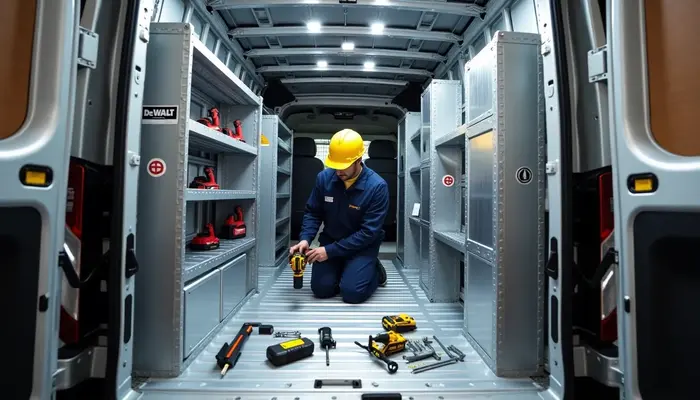
- A cargo area with a flat load floor for easy loading and unloading
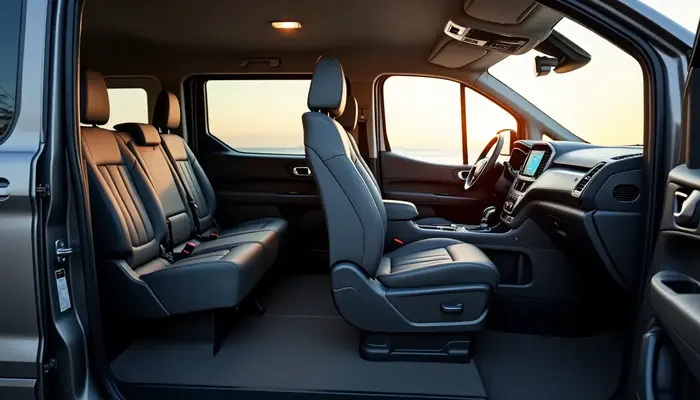
- A driver’s seat with height and lumbar adjustment for improved ergonomics
- A ‘Composition Audio’ radio system with Bluetooth and USB connectivity
- A dual front passenger seat with a storage box and folding tray in the backrest
- Reach and rake steering wheel adjustment for optimal driving position
- Remote central locking for added security
- A full-height steel bulkhead to separate the cab from the cargo area
- A sliding side door on the passenger side for easy access
- 180-degree rear door opening for versatile loading options
Trendline Trim Upgrades VW Crafter Price
The Trendline trim builds upon the Startline’s features, offering additional comfort and convenience. Key upgrades include:
- An advanced ‘Composition Media’ 8.0-inch touchscreen infotainment system
- DAB radio and App Connect for enhanced connectivity
- A ‘Comfort’ driver’s seat with two-way lumbar adjustment and armrest
- Cruise control with speed limiter for easier highway driving
- A multi-function steering wheel for improved control
- Load area grab handles for added safety
- A wooden load floor for increased durability
- 270-degree rear door opening for even more flexible loading
The Trendline trim also includes electric heated door mirrors and a more comfortable overall driving experience.
Discontinued Highline Trim
Previously, Volkswagen offered a Highline trim for the Crafter, which was positioned as the top-tier option. This trim level provided even more premium features and amenities, such as: See VW Crafter 4×4
- Leather upholstery for a more luxurious interior
- A more powerful engine option for enhanced performance
However, it’s important to note that the Highline trim was discontinued at the beginning of 2019. Despite its discontinuation, the Crafter continues to offer a comprehensive range of features across its available trims.
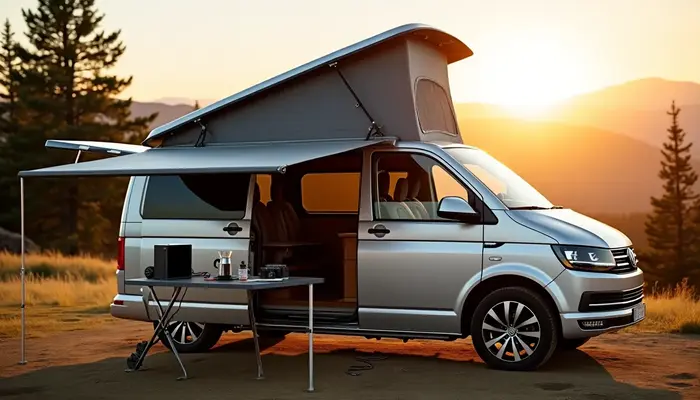
The Volkswagen Crafter’s diverse range of models and trims caters to a wide array of business needs. From the capable base model to the well-equipped Trendline variant, each version of the Crafter is designed to deliver reliability, versatility, and efficiency. The vehicle’s adaptability is further enhanced by its various body styles and weight options, making it a popular choice among businesses seeking a customizable commercial vehicle solution. See our VW Crafter Camper Vans for sale
Initial Purchase Costs
The initial purchase cost of a Volkswagen Crafter is a significant consideration for businesses looking to invest in a reliable commercial vehicle. Understanding the various pricing options and financing alternatives can help potential buyers make an informed decision.
New vs Used Pricing VW Crafter Price
When considering a VW Crafter, buyers have the option to choose between new and used models. New Crafters offer the latest features and technology, but come at a higher price point. Used Crafters, on the other hand, can provide substantial savings while still delivering reliable performance. See VW Crafter 4Motion
For new Crafters, prices vary depending on the model and trim level selected. The Crafter was initially available in three trim levels: Startline, Trendline, and Highline. However, it’s important to note that the Highline trim was discontinued at the beginning of 2019 as part of a range rationalization process.
The Startline trim serves as the base model, offering essential features for commercial use. The Trendline trim builds upon the Startline’s equipment, adding useful extras such as cruise control for a modest price increase. For businesses seeking additional comfort and convenience, the Trendline trim presents a cost-effective option.
Financing Options VW Crafter Price
Volkswagen offers various financing options to help businesses manage the cost of purchasing a Crafter. These options include traditional auto loans, leasing, and even government incentives in some regions. The choice of financing can significantly impact the total cost of ownership and should be carefully considered.
For those looking to spread the cost over time, Volkswagen Commercial Vehicle Financial Services provides flexible financing solutions. One notable option is the ability to split payments over six months with 0% finance, allowing businesses to manage their cash flow more effectively.
When exploring financing options, it’s crucial to consider factors such as interest rates, repayment terms, and any additional fees. Volkswagen’s Van Centers have expert staff who can help build a finance package tailored to individual business needs.
Leasing Considerations
Leasing a VW Crafter has become an increasingly popular option for businesses seeking to minimize upfront costs and maintain flexibility. When leasing, customers pay a monthly fee for a fixed term, typically ranging from one to five years, without the option to own the vehicle at the end of the contract.
Key considerations for leasing a Crafter include:
- Initial rental payment: Usually lower than deposits required for other financing options.
- Monthly payments: Generally lower than those associated with purchasing the vehicle outright.
- Mileage allowance: Ensure the agreed-upon mileage limit aligns with your business needs.
- Contract duration: Choose a term that suits your business requirements and budget.
- End-of-contract terms: Understand the conditions for returning the vehicle at the end of the lease.
Volkswagen offers various leasing deals for the Crafter, with options available for different models and configurations. For example, a Crafter high roof panel van Commerce Plus CR35 MWB with a 2.0TDI 140PS FWD engine and 6-speed manual transmission may be available for lease at £569.00 per month on a 36-month contract with a 10,000-mile annual limit.
When considering a lease, it’s essential to carefully review the terms and conditions, including any excess mileage charges and the vehicle’s residual value. Some lease packages may also include additional benefits such as maintenance or charging station installation for electric models.
By carefully weighing the options between new and used models, exploring financing alternatives, and considering leasing opportunities, businesses can find the most cost-effective solution for acquiring a VW Crafter that meets their needs and budget constraints.

Running Costs and Fuel Economy
The Volkswagen Crafter, while a popular choice for businesses, requires careful consideration of its running costs and fuel economy. Understanding these aspects helps potential owners make informed decisions about their investment.
Fuel Efficiency Across Engine Options
The Crafter’s fuel efficiency varies depending on the engine configuration and driving conditions. Despite Volkswagen’s claims of class-leading aerodynamics with a 0.33Cd rating, the Crafter’s fuel economy figures are somewhat disappointing when compared to other large vans in its class.
Front-wheel-drive manual models equipped with the 138bhp engine return approximately 37mpg on the WLTP combined cycle. This figure drops by around 7mpg when upgrading to the more powerful 174bhp twin-turbodiesel unit. CO2 emissions for the 138bhp engine start at 199g/km with a manual gearbox, while the 174bhp version easily exceeds 200g/km.
Interestingly, opting for an automatic gearbox slightly improves both economy and emissions. However, the additional cost of the automatic transmission means drivers would need to cover significant mileage to recoup this expense.
Real-world fuel economy may differ from official figures. During a 7,000-mile test with an early-build 140hp long-term test vehicle, an average of 33mpg was achieved, which is considered reasonable for a van of this size. However, owners’ groups report that fuel economy can decrease significantly when traveling at speeds above 60-65mph or during frequent short journeys.
It’s worth noting that, like all large vans meeting Euro 6 emissions regulations, the Crafter requires AdBlue. Drivers can expect to cover around 5,000 miles per tank of AdBlue, though this may vary based on driving style and conditions.
Service and Maintenance Expenses VW Crafter Price
Volkswagen has taken steps to reduce running costs by extending service intervals for the current generation Crafter. The manufacturer has increased the maximum interval between oil changes from 25,000 to 30,000 miles, resulting in one less dealer visit over 100,000 miles of operation.
However, it’s important to note that the 30,000-mile figure is a theoretical maximum. The Crafter, like many modern vans, utilizes variable intervals determined by an on-board computer. This means that servicing may be required at shorter distances, depending on how and where the van is driven.
For 2021 models, Volkswagen recommends an oil service at no later than 12,000 miles, although the 30,000-mile maximum limit remains in place. This change in service recommendations may impact maintenance costs for owners.

To help manage service and repair costs, Volkswagen introduced a financing option in May 2020. Through VW Financial Services, customers can now split payments over six months at 0% interest, providing a more flexible alternative to a single lump sum payment.
Insurance Costs VW Crafter Price
Insurance costs for the Volkswagen Crafter are generally considered moderate compared to other large vans. The Crafter falls into insurance groups ranging from 7 to 11 for models manufactured before 2016, and up to group 24 for newer models. This classification makes the Crafter somewhat more affordable to insure compared to other large vans.
Several factors can influence insurance premiums, including the driver’s history and the specific Crafter model. To potentially reduce insurance costs, owners can consider:
- Upgrading the van’s safety features
- Parking overnight in a secure area
- Reducing annual mileage
- Increasing the voluntary excess (ensuring it remains affordable in case of a claim)
- Comparing quotes from multiple providers
It’s important to note that while electric vans are becoming more popular, they often come with higher insurance costs due to their higher purchase price and potentially more expensive repairs. As the market evolves, these costs may decrease over time.
Depreciation and Resale Value
The Volkswagen Crafter, like all commercial vehicles, experiences depreciation over time. Understanding this process and its impact on resale value is crucial for businesses considering investing in this popular van model.
Factors Affecting Depreciation
Several key factors influence the depreciation rate of a Volkswagen Crafter:
- Age: As the vehicle gets older, its value generally decreases.
- Mileage: Higher mileage leads to lower value.
- Wear and Tear: General usage, damage, and repairs can reduce the vehicle’s value.
- Market Conditions: Supply and demand for particular makes and models affect depreciation rates.
- New Model Releases: When Volkswagen introduces a new Crafter model, older versions may experience a more rapid decrease in value.
The depreciation curve for the Crafter typically follows a pattern similar to other vans in its class. The steepest drop in value occurs in the first year of ownership, with the van losing approximately 20-30% of its original value. After this initial period, the depreciation rate slows down to about 15-20% per year for the next few years. By the three to four-year mark, many Crafters will have lost around 50-60% of their original value.
Projected Resale Values VW Crafter Price
While specific resale values can vary based on individual vehicle condition and market factors, some general projections can be made for the Volkswagen Crafter. According to industry estimates, a new Crafter can be expected to depreciate by approximately 25% in the first three years of ownership.
To illustrate this, let’s consider a hypothetical example:
| Year | Estimated Value | Depreciation |
|---|---|---|
| 0 | £35,000 | – |
| 1 | £26,250 | 25% |
| 2 | £22,750 | 35% |
| 3 | £19,250 | 45% |
It’s important to note that these figures are estimates and can vary based on the specific model, trim level, and market conditions.
Tips for Maximizing Resale Value
To help maintain the Crafter’s value over time and maximize its resale potential, consider the following strategies:
- Regular Maintenance: Keep detailed records of all servicing and repairs. This documentation can significantly slow down the rate of depreciation.
- Limit Mileage: Where possible, minimize unnecessary trips and consider alternative transport for longer journeys when not on the job.
- Maintain Appearance: Regularly clean and polish the van, and promptly repair any damage. A well-maintained exterior and interior can make the Crafter more attractive to potential buyers.
- Avoid Heavy Customization: Stick with popular colors and standard features that have broader appeal in the used market.
- Consider Timing: Selling just before a new model is released or when demand is high can help secure a better price.
- Choose Fuel-Efficient Options: With increasing environmental concerns, opting for more fuel-efficient or electric versions of the Crafter may help slow down depreciation as demand for these vehicles grows.
- Preserve Original Features: If the Crafter has valuable features like twin side doors, ensure these are maintained as they can add to the resale value.
By following these tips and understanding the factors that influence depreciation, Volkswagen Crafter owners can work to preserve their vehicle’s value over time, potentially securing a better price when it comes time to sell or trade in their van.
Total Cost of Ownership Breakdown
5-Year Ownership Cost Projection
To understand the total cost of ownership (TCO) for the Volkswagen Crafter, it’s essential to analyze various expenses over a five-year period. These costs include depreciation, servicing and maintenance, tax, fuel, and insurance. Using a running costs calculator, fleet operators can forecast expenses and identify the most cost-effective ownership period.
For outright purchase, the TCO calculation considers:
- The on-the-road price of the van (including selected options but excluding the tax disk)
- The tax disk (shown separately as a recurring item)
- Depreciation based on independent industry forecasts of future van values
- Forecast maintenance costs for servicing, tires, and mechanical repairs
For business or personal contract hire, the calculation includes:
- Total monthly contract hire payments for the van with selected options
- Forecast maintenance costs for servicing, tires, and mechanical repairs
It’s important to note that the plug-in grant is not included in TCO calculations due to limits on the number of vehicles eligible for the grant.
Comparing Costs to Competitors VW Crafter Price
When comparing the Volkswagen Crafter to its competitors, it’s crucial to consider various factors that influence the TCO. The Crafter’s price range for 2024 models is between £44,584.51 and £65,364.43, positioning it competitively in the large van market.
In terms of fuel efficiency, the Crafter performs well against its rivals. Spec-for-spec, it offers better claimed fuel consumption figures, although this isn’t a particularly strong area for large vans on paper. However, real-world performance often compares favorably to older competitors.
When comparing the Crafter to similar vehicles in terms of popularity, fleet managers should consider alternatives such as:
- Ford Transit
- Mercedes-Benz Sprinter
- Renault Master
- Fiat Ducato
- Iveco Daily
Each of these competitors has its own strengths and weaknesses in terms of TCO, and a thorough comparison should take into account factors such as purchase price, fuel efficiency, maintenance costs, and resale value.
Cost-Saving Strategies
To optimize the TCO of the Volkswagen Crafter, fleet managers can implement several cost-saving strategies:
- Right-sizing: Select the most appropriate van for the job, considering factors like payload and wheelbase length to ensure optimal efficiency and avoid unnecessary expenses.
- Fuel economy focus: Choose models with good fuel economy to reduce expenditure at the pumps. Encourage drivers to adopt fuel-efficient driving habits, such as reducing idling time and avoiding aggressive driving.
- Service plans: Consider taking out a service plan with a trusted dealer to spread the cost of maintenance and potentially lock in favorable pricing.
- Breakdown coverage: Invest in comprehensive breakdown cover to avoid unexpected towing and repair costs.
- Warranty consideration: Choose models with comprehensive warranties from manufacturers or dealerships to minimize repair expenses.
- Regular health checks: Conduct frequent vehicle inspections to identify and address minor issues before they become major problems.
- Telematics implementation: Utilize fleet management software and telematics to gather real-time data on fuel consumption, vehicle performance, and driver behavior. This data-driven approach can help identify inefficiencies and optimize vehicle usage.
- Electric vehicle transition: Consider transitioning to electric vehicles for lower operating expenses and potential government incentives, despite higher upfront costs.
By implementing these strategies and carefully analyzing the TCO, fleet managers can make informed decisions about acquiring and operating Volkswagen Crafter vans, ultimately optimizing their fleet’s financial performance.
Conclusion VW Crafter Price
The Volkswagen Crafter stands out as a versatile and reliable choice for businesses in need of a robust commercial vehicle. Its range of models, trims, and configurations allows companies to tailor their purchase to specific needs, while considering factors such as initial costs, running expenses, and potential resale value. Understanding these elements has a significant impact on making informed decisions about fleet management and long-term financial planning.
To wrap up, the total cost of ownership of a VW Crafter goes beyond the sticker price, encompassing fuel efficiency, maintenance costs, and depreciation. By weighing these factors and implementing cost-saving strategies, businesses can maximize the value of their investment in this popular van. Ultimately, the Crafter’s blend of practicality, performance, and economic considerations makes it a compelling option to consider for companies looking to boost their commercial vehicle fleet.
FAQs VW Crafter Price
- How dependable are VW Crafter vans?
- VW Crafter vans are generally considered to be reliable. Although there are a few issues to be mindful of, they typically have a solid reputation for dependability, similar to other Volkswagen vans.
- What is the expected lifespan of a VW Crafter?
- A Volkswagen Crafter can typically last up to 168,000 miles before it reaches its expected lifespan limit. The type of fuel used can significantly influence the vehicle’s longevity.
- Which is better: the Sprinter or the Crafter?
- On the road, the Sprinter tends to be more dynamic, featuring more powerful engines and greater low-end torque. However, the Volkswagen Crafter’s DSG automatic transmission is noted for its superior smoothness and refinement.
- Does the VW Crafter use a Mercedes engine?
- Yes, the first-generation VW Crafter was essentially a rebadged Mercedes-Benz Sprinter, constructed by Daimler AG, and it utilized a Volkswagen powertrain.