VW Transporter Maintenance: Your Van in Top Condition
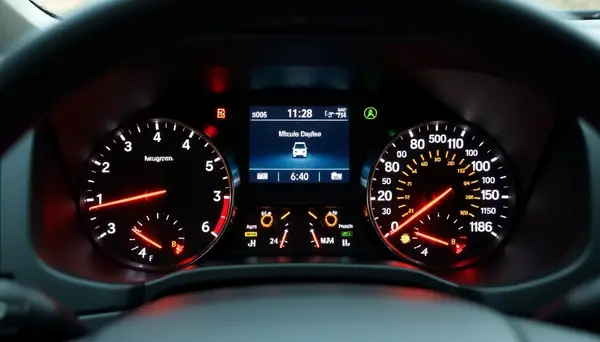
The Volkswagen Transporter is a versatile and reliable workhorse, but like any vehicle, it requires regular maintenance to keep it running smoothly. Understanding VW Transporter service intervals is crucial for owners to ensure their van remains in top condition. From monitoring warning lights to addressing engine management issues, proper care can prevent minor problems from escalating into major repairs.
This article delves into essential aspects of VW Transporter maintenance, covering everything from engine care to electrical system checks. Readers will learn about the importance of timely brake system inspections, suspension upkeep, and battery maintenance. Additionally, it addresses common concerns such as VW Transporter T5 problems and T6 engine issues, providing valuable insights to help owners keep their vehicles on the road and performing at their best.
Regular Service Intervals
Adhering to the manufacturer’s recommended maintenance schedule is crucial for keeping a VW Transporter in top condition. Regular service intervals help prevent unexpected breakdowns and ensure the vehicle’s longevity. The Transporter offers two service regimes: Fixed Service and Flexible Service.
Oil Changes
Oil changes are a fundamental aspect of VW Transporter maintenance. The recommended engine oil type varies depending on the model:
- For 1.9 and 2.5-liter engines: 5W/40
- For 2.0-liter engines: 5W/30
Engines without a particulate filter require oil that meets VW 505 01 or 507 00 standards, while those with a particulate filter need 507 00 or better. The oil capacity ranges from 5.8 to 7.4 liters, depending on the engine size.
Under the Fixed Service regime, oil changes are typically performed every 12,000 miles or 12 months, whichever comes first. The Flexible Service regime allows for longer intervals, up to 18,000 miles or 24 months. However, it’s important to note that oil consumption is normal during operation. Owners should check the oil level every 250 miles and top up as needed.
Filter Replacements
Regular filter replacements are essential to maintain the Transporter’s performance. The air filter, fuel filter, and pollen filter all require periodic attention.
- Air Filter: Replace every 40,000 miles or 4 years.
- Fuel Filter: For diesel engines using fuel conforming to DIN EN 590, replace every 40,000 miles. More frequent changes may be necessary for non-conforming fuel.
- Pollen Filter: Replace every 20,000 miles or 2 years. It’s advisable to change this filter in early spring and autumn.
When replacing filters, it’s crucial to use genuine VW parts to ensure proper fit and function. During installation, take care to prevent dust and dirt from entering the filter housings.
Fluid Checks
Regular fluid checks are vital for the Transporter’s optimal performance. Here’s a breakdown of the essential fluids to monitor:
- Coolant: Use a 50/50 mix of antifreeze and water (G12++ or higher). The system capacity is 7.1 liters.
- Power Steering Fluid: Use VW G 002 000.
- Brake Fluid: Use DOT 4 brake fluid. Replace every 2 years.
- Transmission Fluid: For manual transmissions, use SAE 75W/90 gear oil (VW G50). For automatic transmissions, use ATF.
Perform fluid level checks every 250 miles, including engine oil, coolant, screenwash, and brake/clutch fluid. Top up as necessary to maintain proper levels.
The service regime chosen depends on driving habits. The Fixed Service is recommended for those who drive less than 10,000 miles annually, make frequent short journeys, or use the van for towing. The Flexible Service suits drivers covering over 25 miles daily, making long-distance journeys, and adopting an economical driving style.
By following these service intervals and maintaining proper fluid levels, VW Transporter owners can ensure their vehicle remains reliable and performs optimally. Regular maintenance not only prevents breakdowns but also helps maintain the van’s resale value.
Engine Maintenance
Proper engine maintenance is crucial for keeping a VW Transporter running smoothly and efficiently. This section covers essential aspects of engine care, including timing belt replacement, spark plug inspection, and fuel system cleaning.
Timing Belt Replacement
The timing belt is a critical component in the VW Transporter’s engine, responsible for synchronizing the opening and closing of the valves with the movement of the pistons. Over time, this belt can become worn or damaged, potentially leading to serious engine problems if not replaced.
Most VW engines have timing belt replacement intervals between 60,000 to 80,000 miles or 4 to 5 years, depending on the engine type. It’s vital to adhere to these manufacturer-recommended intervals, as exceeding them can result in a slipped or snapped belt. In many cases, a broken timing belt requires a new engine or an expensive engine rebuild.
When replacing the timing belt, it’s prudent and cost-effective to also replace the water pump. In 95% of Volkswagen/Audi Group engines, the water pump is driven by the timing belt. However, it’s important to note that all Volkswagen Group diesel engines from 2015 onwards have a newer electronically governed type water pump, which is still incorporated into the timing belt mechanism.
Spark Plug Inspection
Regular inspection and replacement of spark plugs are essential for optimal engine performance and fuel efficiency. Spark plugs are responsible for igniting the air-fuel mixture in the engine’s cylinders. Over time, they can become worn or fouled, reducing engine performance.
To inspect spark plugs:
- Remove the HT leads carefully, holding the bakelite connector rather than the lead itself.
- Use the appropriate socket to remove the spark plugs.
- Examine the firing end of the plug for color and condition:
- Brown or light gray: Indicates proper functioning
- Black: Suggests carbon deposits, which can cause starting problems and misfiring
- White: Indicates overheating at the point of combustion
The spark plug gap should be checked and adjusted if necessary. For most air-cooled VW engines, the gap should be 0.024 inches or 0.6mm, but it’s best to consult the workshop manual for specific measurements.
When reinstalling spark plugs, it’s crucial to thread them by hand initially to avoid cross-threading and damaging the cylinder head. Once fully seated, use a torque wrench to tighten to 25 ft-lbs.
Spark plugs should be checked every 3,000 miles and replaced every 10,000 miles. However, given their relatively low cost, more frequent replacement is advisable, especially if engine performance issues are suspected.
Fuel System Cleaning
The fuel system is responsible for delivering the correct air-fuel mixture to the engine’s cylinders. Over time, it can become clogged with deposits, reducing engine performance and fuel efficiency. Regular cleaning of the fuel system is an important maintenance task that can help improve engine performance.
Fuel system cleaning may involve:
- Replacing the fuel filter
- Cleaning the fuel injectors
- Using a fuel system cleaning additive
In cases of suspected fuel contamination, more extensive measures may be necessary. If the engine won’t start due to contaminated fuel:
- Disconnect the output pipe from the fuel filter.
- Run the pump until clean fuel is pumped through.
- Replace the filter with a new, clean one.
- Refit the pipe and bleed the system as appropriate.
For injector cleaning, it’s generally recommended to seek professional assistance. While some suggest using fuel cleaner additives, these should be used cautiously and in accordance with manufacturer recommendations.
Regular maintenance of these engine components – the timing belt, spark plugs, and fuel system – will help ensure the VW Transporter’s engine remains in top condition, providing reliable performance and longevity.
Brake System Care
The brake system is a critical component of any vehicle, and the VW Transporter is no exception. Regular maintenance of the brake system ensures optimal performance and safety. This section covers essential aspects of brake system care, including brake pad replacement, brake fluid flush, and rotor inspection.
Brake Pad Replacement
Brake pads are wear items that require periodic replacement. For VW Transporter owners, it’s crucial to monitor brake pad wear and replace them when necessary. Most VW brake pads have built-in wear sensors that trigger a warning light on the dashboard when they reach the end of their life cycle. This serves as a clear indication that it’s time for replacement.
Visual inspection is another method to determine if brake pads need replacement. If a grinding metal-on-metal sound is heard when applying the brakes, it’s a sign that the pads have worn down completely and are causing damage to the rotors.
The frequency of brake pad replacement varies depending on driving habits and conditions. For instance, a 2017 VW Transporter T32 owner reported changing front brake pads around every 35,000 miles. However, individual experiences may differ.
When replacing brake pads, it’s essential to:
- Clean all mating surfaces, including the caliper piston and the outside of the caliper.
- Ensure the caliper pins are in good condition.
- Check the brake pad to carrier bracket mounting points for smoothness.
These steps help ensure proper fitment and optimal performance of the new brake pads.
Brake Fluid Flush
Brake fluid plays a crucial role in the hydraulic system that enables the brakes to function. Over time, brake fluid absorbs moisture from the atmosphere, which can lower its boiling point and compromise braking performance.
VW recommends the following schedule for brake fluid replacement:
- First replacement: 3 years after the vehicle is new
- Subsequent replacements: Every 2 years
When performing a brake fluid flush, it’s advisable to include the clutch fluid as well, as they are part of the same hydraulic system in many VW Transporters.
The process of flushing brake fluid involves:
- Removing old fluid from the system
- Introducing new, clean fluid
- Bleeding the system to remove any air bubbles
Some VW Transporter owners have mentioned using a pressure bleeder and a pedal actuator to keep the brake pedal pressed down during the flushing process. This method can help ensure a thorough flush and complete removal of old fluid.
Rotor Inspection
Brake rotors, also known as disks, work in conjunction with the brake pads to slow down the vehicle. Regular inspection of rotors is crucial for maintaining optimal braking performance.
When inspecting rotors, look for the following signs of wear:
- Visible grooves, cracks, or scoring on the surface
- Warping, which may cause vibration during braking
- Thickness below the manufacturer’s minimum specification
- Uneven wear, which could indicate issues with brake pads or calipers
- Excessive rust, particularly on the contact surface
To measure rotor thickness, use a micrometer at several points around the circumference. If any point measures below the manufacturer’s minimum thickness specification, the rotor should be replaced.
It’s worth noting that some VW Transporter owners have reported warping issues with their brake rotors. One T32 owner mentioned having to replace front disks every 35,000 miles due to warping rather than wear. This could be influenced by factors such as driving style, vehicle load, and brake cooling efficiency.
Regular inspection and maintenance of the brake system, including timely replacement of pads and rotors, and periodic brake fluid flushes, will help ensure the VW Transporter’s braking system remains in top condition, providing reliable and safe performance.
Suspension and Steering Upkeep
Maintaining the suspension and steering system of a VW Transporter is crucial for ensuring a smooth, safe ride and extending the lifespan of these critical components. Regular checks and adjustments can prevent costly repairs and improve overall vehicle performance. This section covers essential aspects of suspension and steering maintenance, including shock absorber checks, wheel alignment, and tire rotation.
Shock Absorber Checks
Shock absorbers play a vital role in providing a comfortable ride by absorbing the impact of bumps and potholes. It’s essential to inspect them periodically for signs of wear, such as fluid leaks or excessive bouncing. For VW T6 Transporter owners, replacing shock absorbers can be a manageable task with the right tools and knowledge.
To replace the front shock absorber on a VW T6:
- Remove the wiper blades and scuttle underneath the windscreen to access the top mounts for the suspension strut.
- Remove the wiper linkage and motor, then gently pry away the scuttle to fully access the suspension strut’s top mounts.
- Remove the cover for the top of the strut and loosen the top nut with a suitable tool.
- Remove the brake caliper, carrier, backing plate, and brake disk to access necessary components.
- Disconnect the ball joints, track rod end, and hub nut to free the shock.
- Carefully remove the shock absorber assembly and align the replacement unit.
- Reassemble all components in reverse order, ensuring everything is properly secured and aligned.
During this process, it’s advisable to clean and degrease brake components before reinstallation to ensure optimal performance.
Wheel Alignment
Proper wheel alignment is crucial for maintaining even tire wear, good handling, and fuel efficiency. Misaligned wheels can cause uneven tire wear, poor handling, and increased fuel consumption. It’s recommended to have wheel alignments performed every 12 months or when new tires are installed.
For VW Transporter owners, it’s important to note that caster and camber are not adjustable on the T6 model. However, there are some options for adjusting alignment:
- Rear wheels: Camber correction bushes can be installed to adjust rear camber.
- Front wheels: Two solutions are available: a. Loosen the motor mount and move it to achieve the same values between right and left. b. Install special bolts that maintain the bottom of the shock absorbers to the suspension arm.
Many VW Transporter owners have reported success with professional alignment services. For example, some have found that Kwikfit offers Hunter 4-wheel alignment services, which can be effective in correcting alignment issues.
Tire Rotation
Tire rotation is a simple yet effective way to promote even tread wear and extend the life of your tires. Regular rotation helps preserve balanced handling and traction while providing performance advantages.
Recommended tire rotation intervals:
- High-performance tires: Every 3,000 to 5,000 miles
- General recommendation: With oil change intervals
Tire rotation patterns depend on the vehicle’s drive configuration:
- Front-wheel drive: Forward cross pattern or X pattern
- Rear-wheel or four-wheel drive: Rearward cross pattern or X pattern
- Directional wheels or tires: Rotate front to rear on the same side
- Non-directional tires with different sizes front to rear: Side-to-side rotation
For vehicles with a matching spare tire, consider including it in the rotation pattern. This five-tire rotation can help maintain equivalent tread depths on all tires, which is particularly important for four-wheel drive and all-wheel drive vehicles to prevent driveline damage.
It’s worth noting that some VW Transporter owners choose not to rotate front and rear tires, particularly on 4Motion models. They argue that the front nearside tire tends to wear faster due to more acute left turns in countries that drive on the left. In such cases, owners might consider swapping front nearside and offside tires or replacing all four tires when the front nearside reaches 3mm tread depth.
By following these maintenance practices for shock absorbers, wheel alignment, and tire rotation, VW Transporter owners can ensure their vehicle’s suspension and steering systems remain in top condition, providing a smooth, safe, and efficient driving experience.
Electrical System Checks
The electrical system of a VW Transporter plays a crucial role in the vehicle’s operation. Regular checks and maintenance are essential to prevent breakdowns and ensure the reliability of the van. This section covers key aspects of electrical system checks, including battery testing, alternator inspection, and wiring examination.
Battery Testing
The battery serves as the heart of the electrical system, providing power to start the engine and run various components. Regular battery testing helps ensure it’s in good condition and can hold a charge. To test the battery:
- Park the Transporter on a level surface and turn off the engine.
- Let the vehicle rest for at least 5 minutes to stabilize the electrical charge.
- Use a multimeter to check the battery voltage:
- Connect the red probe to the positive (+) terminal and the black probe to the negative (-) terminal.
- A healthy battery should show a reading between 12 and 13 volts.
- Test the battery under load:
- With the multimeter still connected, start the engine.
- The voltage should drop to between 9 and 11 volts during cranking.
- Once the engine is running, the voltage should rise to between 13.2 and 14.8 volts.
If the battery fails to meet these voltage requirements, it may need replacement. When purchasing a new battery, ensure it’s less than 6 months old and matches the specifications in the Transporter’s owner’s manual.
Alternator Inspection
The alternator generates electrical power while the engine runs, charging the battery and supplying power to the vehicle’s electrical systems. To inspect the alternator:
- With the engine running and all electrical accessories off, check the voltage at the battery terminals.
- The reading should be between 13.2 and 14.8 volts.
- Turn on all electrical accessories (lights, air conditioning, radio, etc.).
- The voltage should remain within the same range.
- Accelerate the engine to 3,000 RPM with accessories on, then off.
- The voltage should stay consistent throughout these tests.
If the voltage rises above 14.8 volts, the voltage regulator may be faulty. If it drops below 13.2 volts, the alternator might be failing.
Wiring Examination
Proper wiring maintenance helps prevent electrical issues and ensures reliable vehicle operation. To examine the wiring:
- Visually inspect all accessible wiring for signs of wear, damage, or corrosion.
- Check for loose connections, particularly at the battery terminals and major electrical components.
- Look for any signs of melted insulation or burnt wires, which could indicate a short circuit.
- Ensure all ground connections are clean and secure.
When working on the electrical system, always disconnect the battery to prevent electric shocks or short circuits. If you’re unsure about any aspect of electrical system maintenance, it’s best to consult a professional mechanic or VW specialist.
Regular electrical system checks can help identify potential issues before they lead to breakdowns or costly repairs. By maintaining the battery, alternator, and wiring, VW Transporter owners can ensure their vehicle remains reliable and performs optimally.
Conclusion
Maintaining a VW Transporter requires attention to various aspects of the vehicle, from regular service intervals to specific care for crucial systems. By adhering to recommended maintenance schedules and performing timely checks, owners can ensure their van remains reliable and performs at its best. This approach has a positive impact on the vehicle’s longevity and helps to avoid costly repairs down the line.
To wrap up, proper upkeep of the engine, brakes, suspension, and electrical systems is key to keeping a VW Transporter in top shape. Regular inspections and maintenance not only keep the van running smoothly but also contribute to safer driving conditions. By following these guidelines, Transporter owners can enjoy a dependable and efficient vehicle for years to come.
FAQs
What typical issues arise with VW Transporters?
VW Transporters can experience a variety of issues including transmission problems, EGR valve issues, drive shaft concerns, security alarm malfunctions, engine-related issues, window faults, defective steering columns, and power steering problems.
How frequently should a VW Transporter be serviced?
It is recommended to service your Volkswagen Transporter at least once every 12 months or every 12,000 miles, whichever comes first. A Full Service is advised to keep your van in optimal condition.
What is the expected lifespan of a VW Transporter?
The VW Transporter, especially the T5 model, is known for its durability and reliability. With proper care and regular maintenance, a T5 Transporter can typically reach or exceed 250,000 miles before it might need significant engine repairs.
What constitutes high mileage for a VW Transporter?
VW Transporters are well-regarded for their robust engines, often reaching up to 250,000 miles. However, when purchasing a used Transporter, many consider a vehicle with under 100,000 miles to be a prudent choice, provided it has been well-maintained by its previous owner.